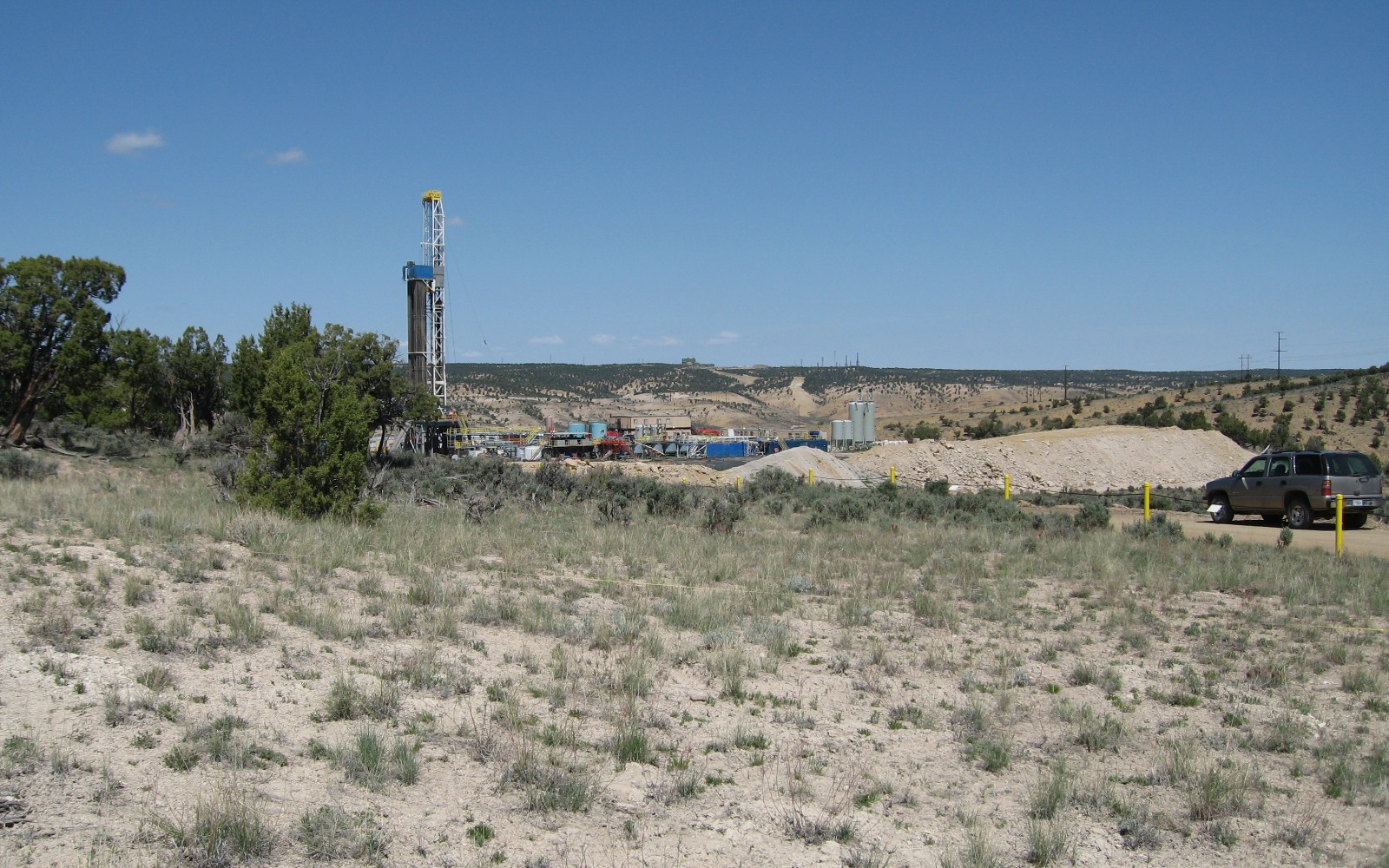
The San Juan Basin has been producing gas since before World War II, which makes it one of the oldest continuously active basins a family could still be holding royalty in today.
Northwest New Mexico and southwest Colorado families with San Juan Basin minerals are often sitting on genuinely old production, some conventional gas wells here trace back to the 1920s and 1930s, layered later with one of the largest coalbed methane developments in the country during the 1990s. Between San Juan and Rio Arriba counties in New Mexico and La Plata County in Colorado, this basin has quietly supported family royalty income across multiple generations and multiple technological eras.
That long history means San Juan Basin ownership questions often come with more layers than a newer play: multiple leases signed decades apart, interests split repeatedly across heirs, and production histories that stretch back further than most other basins we work with. We take the time to sort through that layered history rather than rushing past it.
The San Juan Basin's Fruitland coal formation became the site of one of the most extensive coalbed methane developments anywhere, with dense well spacing across large parts of the basin during the 1990s boom. Like other coalbed methane basins, production here dewaters a coal seam before gas volumes ramp up, and many of these wells have now been producing steadily for two to three decades.
A lot of current San Juan royalty comes from this coalbed methane legacy production, meaning owners today are typically looking at a mature, well-understood decline pattern rather than a new or unpredictable production profile.
Beneath and alongside the Fruitland coal, the San Juan Basin also has decades of conventional gas production from formations like the Mesaverde and Dakota, some of it dating back to the mid-20th century. It's not unusual for a family's interest to include both older conventional production and newer coalbed methane royalty on overlapping or nearby acreage, sometimes without the owner fully realizing both exist.
We check for both conventional and coalbed methane production tied to your interest, since older conventional wells are sometimes overlooked when an owner or a less careful buyer focuses only on the more recent coalbed methane history.
Parts of the San Juan Basin overlap with the Southern Ute Indian Reservation and Navajo Nation lands, and mineral ownership in these areas can involve tribal trust interests with a different transfer process than standard fee minerals, similar to the Fort Berthold situation in the Bakken. If your interest touches tribal trust land, that's an important detail to raise early.
We're upfront when a transaction involves that additional layer of process, and we won't promise a faster timeline than the BIA and tribal approval process actually allows.
It's common for a San Juan Basin interest to have passed through three or four generations of family ownership since the original lease was signed, sometimes with probate gaps along the way that were never formally cleared. Before we can close on any purchase, we need a clean chain of title back to the original owner of record, and for a basin this old, that occasionally means tracking down documentation from decades ago.
We handle that title work ourselves rather than asking you to chase down old county records, and we'll tell you honestly if we find a gap that needs to be resolved before a sale can close.
It varies widely. Some conventional wells date back to the 1930s through 1960s, while coalbed methane wells from the Fruitland coal development mostly date to the 1990s. Both types can still be producing today.
It's possible. We check for both types of production tied to your acreage, since older conventional wells are sometimes overlooked when attention focuses only on more recent coalbed methane history.
We can work with trust and restricted tribal mineral interests, but the process runs through additional approval steps and takes longer than a standard fee mineral sale. We explain that timeline honestly upfront.
New drilling has slowed considerably from the 1990s coalbed methane boom years. Most current production is legacy production from mature wells rather than new development.
Back to the original lease or the last clear transfer of record, whichever is more recent. For older interests that can mean tracing through several generations of family probate before a sale can close.
The same tract, deed chain, lease, division order, payor account, wells, and deductions carry into each of these reviews.
Own Piceance Basin gas royalty in Garfield, Rio Blanco, or Mesa County, Colorado? We buy tight-sand mineral interests, remote and mountain acreage alike.
Own Uinta Basin mineral rights in Duchesne or Uintah County, Utah? We buy waxy-crude oil and gas royalty interests from Utah ranch and farm families.
Own Green River Basin gas royalty in Wyoming? We buy Pinedale, Jonah, and Wamsutter-area mineral interests, federal split-estate complications included.
Share the county and state, owner name, operator or payor, recent statement, deed or lease if available, and the question behind the inquiry.