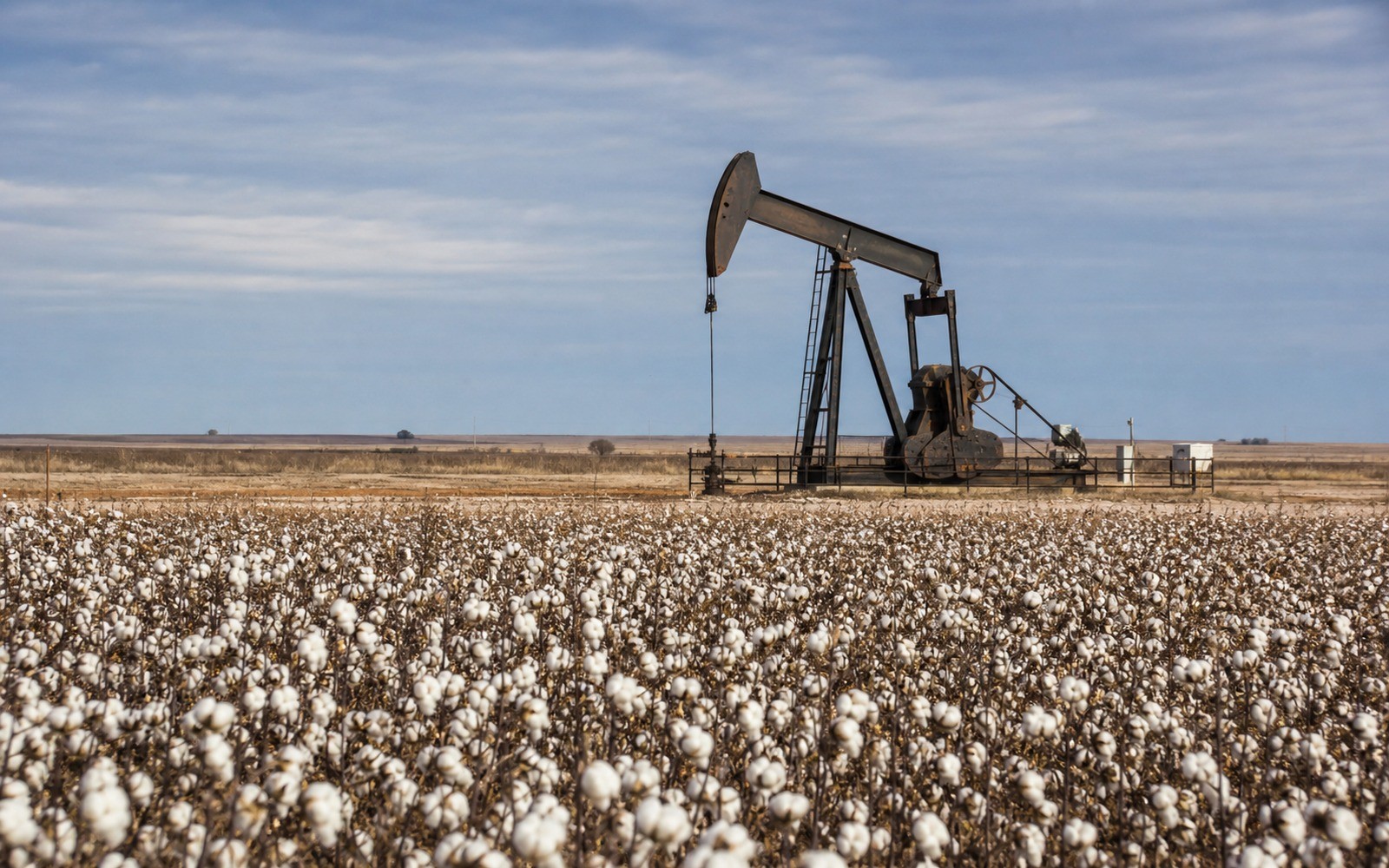
More oil and gas activity happens in the Permian Basin than anywhere else in the country, which means more owners, more operators, and more different stories about what a family's minerals are actually worth.
The Permian is really an umbrella term for a sprawling collection of sub-basins, the Midland Basin, the Delaware Basin, the Central Basin Platform, spread across dozens of West Texas and southeast New Mexico counties. If you've told someone your family owns Permian Basin minerals, you've told them something true but not very specific, because a section in Midland County and a section in Loving County can have completely different geology, operators, and development timelines even though both fall under the same basin name.
We've bought Permian interests from families who've been in the oil business for four generations and from families who just learned they inherited a fractional interest through a distant relative's estate. Both situations start the same way for us: figuring out exactly which part of the Permian your minerals sit in, because that's what actually drives value here, not the basin name on its own.
The Midland Basin and Delaware Basin sit on opposite sides of the Central Basin Platform, a structural high that separates them, and each has its own stacked pay, its own dominant operators, and its own pace of development. There's also the Central Basin Platform itself, with older, shallower conventional production layered under some of the most historic oil counties in Texas. Knowing which of these you're actually in changes everything about how we approach your value.
This is the single most common misunderstanding we run into with Permian owners: assuming that because the basin as a whole is the most active oil region in the country, every acre within it is equally active. It isn't, and an honest valuation has to start with your specific location, not the basin's overall reputation.
Because the Permian has been producing oil since the 1920s, it's common to find modern horizontal Wolfcamp or Spraberry development happening on the same acreage where conventional vertical wells produced decades earlier, sometimes still producing today from shallower zones. Your mineral estate might include royalty from an old vertical well that's been paying steadily since your grandparents' time, alongside newer horizontal production from a completely different formation depth.
We look at the full picture, every producing well tied to your interest across every depth, rather than just the most recent or largest check, since older conventional production sometimes gets overlooked in a quick valuation.
Because the Permian sees more transaction volume than any other basin in the country, mineral owners here are more likely to get contacted by multiple buyers than owners almost anywhere else. That competition is generally good for sellers, but it also means it's worth taking time to actually compare offers rather than accepting the first call, since Permian buyers range widely in how carefully they evaluate a specific tract before quoting a number.
We'd rather earn your business by explaining our math clearly than by rushing you past a comparison you're entitled to make.
Behind every Permian mineral estate is a family story, sometimes four generations of West Texas ranching, sometimes a single relative who leased a section decades ago and passed it down through an estate nobody fully understood until now. We treat both the same way: real title work, a real read of your specific well history, and a plain explanation of how our offer was calculated.
Whatever brought you to the point of considering a sale, an estate to settle, a ranch improvement to fund, or simply wanting to convert an uncertain future check into a known sum today, we'll walk through it with you before asking for a decision.
The Permian Basin is the broad regional term. The Midland Basin and Delaware Basin are sub-basins within it, separated by the Central Basin Platform, each with distinct geology and development history.
The Permian sees more buyer competition than any other U.S. basin due to its scale and activity level. It's worth comparing offers rather than accepting the first one, since evaluation quality varies between buyers.
Yes. We review every producing well tied to your interest across all depths, not only the most recent or largest one, since legacy conventional production is sometimes overlooked in a quick valuation.
The underlying valuation drivers, activity, formation depth, deduction terms, are similar, but New Mexico's state trust land rules and royalty statutes differ from Texas's, so we account for which state your acreage sits in.
Your county is the fastest indicator. We can tell you within a day whether your acreage falls in the Midland Basin, Delaware Basin, or Central Basin Platform once we know your county and, ideally, your well name.
The same tract, deed chain, lease, division order, payor account, wells, and deductions carry into each of these reviews.
Own Midland Basin minerals in Midland, Martin, Howard, or Glasscock County? We buy Permian royalty interests, multi-bench and all, no pressure.
Own Delaware Basin minerals in West Texas or southeast New Mexico? We buy stacked-pay Permian royalty interests, deductions and all, no pressure.
Own Anadarko Basin minerals in western Oklahoma or the Texas Panhandle? We buy stacked-pay royalty interests and walk you through the decision, no pressure.
Share the county and state, owner name, operator or payor, recent statement, deed or lease if available, and the question behind the inquiry.