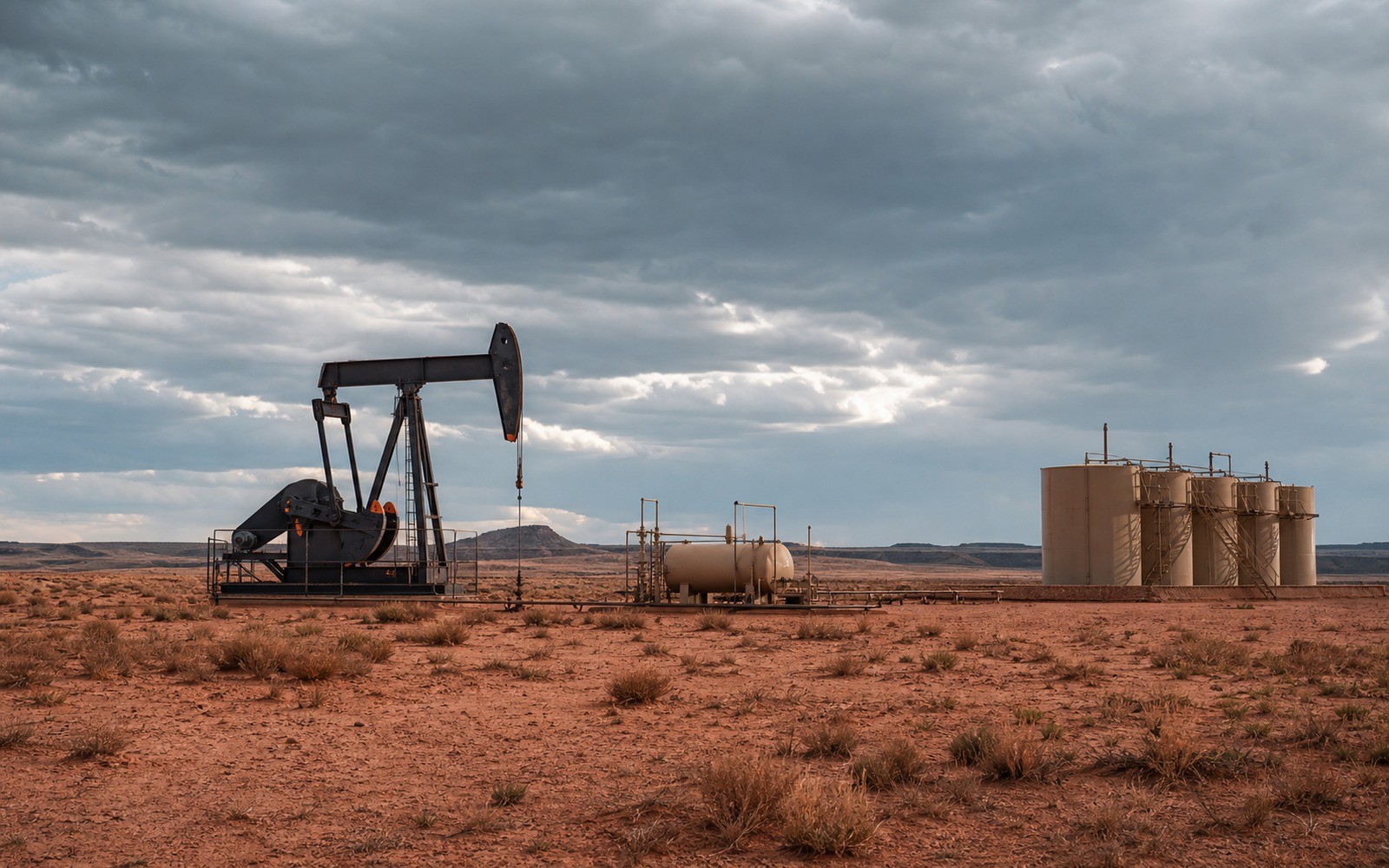
The Delaware Basin is the deep, thick side of the Permian, and if your family's minerals sit under Reeves, Loving, Culberson, or Eddy County, you're likely holding rights to some of the most actively drilled rock in the country.
There's a reason so much current Permian activity concentrates in the Delaware side of the basin rather than the shallower Midland side to the east. The Delaware's sedimentary section runs deeper and holds more stacked, oil-and-gas-rich zones, the Wolfcamp, the Bone Spring, the Avalon, sometimes more than a dozen benches worth targeting in a single spacing unit. For an owner, that depth translates into genuine, ongoing development potential, not only legacy production from wells drilled years ago.
We buy Delaware Basin minerals from ranching families who've held the same section since before anyone drilled a well on it, and from owners who inherited a fractional interest through an estate with no idea what county the well was even in. Both deserve a real answer about what active, multi-zone development means for their specific tract.
Because so much current drilling activity concentrates in the Delaware, particularly in Reeves and Loving counties, minerals here tend to command more buyer interest and higher relative value than in basins with less current permitting. That's not a promise about your specific tract, since activity varies block by block, but it is the honest reason Delaware minerals get more attention from buyers than a mature, slow-declining basin would.
It also means Delaware valuations move faster than in a quiet legacy play. A permit filed nearby, a rig moving onto an adjacent unit, or an operator announcing a new development program can shift what your interest is worth within months, which cuts both ways for a seller trying to time a decision.
With multiple benches, Wolfcamp A, B, C, D, plus the Bone Spring and other zones, potentially productive under the same surface acreage, division orders in the Delaware can get genuinely complicated. Your royalty from one operator's Wolfcamp A well might sit next to an unleased Bone Spring interest that a different operator could develop later. We look at what's actually held by production versus what's still open before valuing your full mineral estate.
This is also where checking the operator's development pattern helps. Some operators in the Delaware have been methodically working through every bench on a given unit over several years; others drill one zone and move on. Knowing which kind of operator sits on your acreage changes what future development realistically looks like.
Modern Delaware leases, negotiated during the more recent development wave, often carry more sophisticated marketing and transportation deduction language than older Permian paper. If your lease was signed in the last decade, expect to see gathering, compression, dehydration, and marketing charges itemized on your check stub, sometimes adding up to a meaningful percentage of the gross value.
We factor your actual net, not the headline gross production number, into any offer. A high-volume well with heavy deductions can net out lower than a modest well on a cleaner lease, and we'd rather show you that math than let you assume otherwise.
Plenty of Delaware Basin minerals still sit under working cattle ranches, land that's been run by the same family for generations even as the rock underneath became some of the most actively drilled in the country. Living with heavy truck traffic, pad sites, and pipeline right-of-ways on your own working ranch is a real cost that doesn't show up on a royalty statement, even when the check itself has grown.
We take the time to weigh that full picture, beyond the production numbers alone, before we sit down and talk about what selling your minerals might mean for your family.
Both are sub-basins of the larger Permian Basin. The Delaware sits to the west, spanning West Texas counties like Reeves, Loving, and Culberson plus southeast New Mexico's Eddy and Lea counties, and generally has a thicker, deeper stacked-pay section than the Midland side to the east.
Potentially several: the Wolfcamp (often divided into multiple benches), the Bone Spring, and other zones can all be separately productive under the same surface tract. We check what's actually held by production versus still open before valuing your interest.
New Mexico's state trust land rules and different royalty statutes create some differences in how leases are structured, but the core valuation drivers, current activity, formation depth, and deduction terms, apply on both sides of the state line.
It can be, especially on newer leases with detailed marketing and transportation cost-sharing language. We review your actual net royalty rather than gross production before making an offer.
Active development can work for or against a seller depending on your specific unit. We check current permitting near your tract before answering that, since blanket advice for the whole basin isn't honest.
The same tract, deed chain, lease, division order, payor account, wells, and deductions carry into each of these reviews.
Own Anadarko Basin minerals in western Oklahoma or the Texas Panhandle? We buy stacked-pay royalty interests and walk you through the decision, no pressure.
Own SCOOP or STACK mineral rights in central Oklahoma? We buy stacked-pay Woodford and Meramec royalty interests, condensate checks and all.
Own Eagle Ford Shale minerals in South Texas? We buy oil-window, condensate, and dry-gas interests across Karnes, DeWitt, La Salle, and beyond.
Share the county and state, owner name, operator or payor, recent statement, deed or lease if available, and the question behind the inquiry.