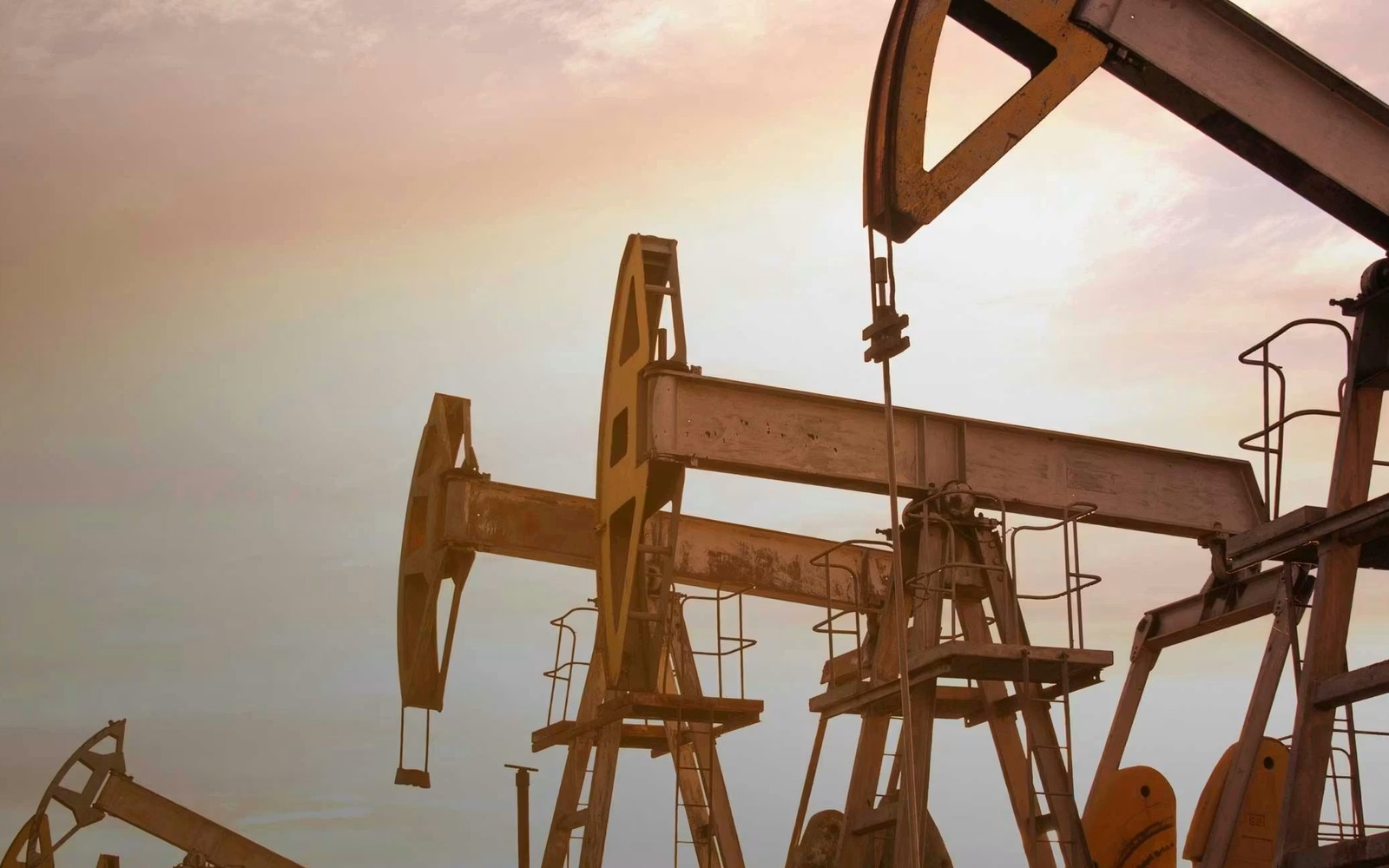
The Anadarko Basin has been paying royalty checks to Oklahoma and Panhandle families since before most of us were born, and stacking new pay zones on top of old ones is just what this basin does.
An old ranch-country saying calls the Anadarko Basin the basin that never quit surprising people. Operators found oil in the shallow sands first, then gas in the Granite Wash, then came back decades later for the Woodford and the Cana-Woodford shale sitting underneath all of it. If your family's minerals sit in Custer, Dewey, Blaine, Canadian, or Washita County, or across the state line in the Texas Panhandle counties like Roberts or Hemphill, there's a real chance your interest has been drilled more than once and could be drilled again.
That layered history is exactly why Anadarko royalty is tricky to value from the outside. A check that looks flat this year might reflect a well past its prime in one zone while a newer horizontal two counties over just started producing. We've bought Anadarko interests from owners who inherited a quarter-page division order they didn't understand and from owners who've tracked every check since the Reagan administration. Either way, we start by asking what you actually have, not by quoting a number before we've looked.
The Anadarko is a deep sedimentary basin, some of the deepest onshore rock in the Lower 48, and that depth means multiple formations stacked one on top of another: the Granite Wash, the Marmaton, the Cleveland, the Tonkawa, the Woodford Shale, and the deeper Cana-Woodford play that drove a lot of the horizontal drilling boom in Canadian and Blaine counties starting around 2010. A single spacing unit can hold rights to several of these zones separately, which means your family's minerals might be leased and producing from one formation while a completely different formation under the same acres sits untouched.
That matters for a seller because a buyer valuing your interest has to ask which zones are actually held by production, which are still open, and whether the operator active in your section has drilled the deep Woodford or just the shallower Granite Wash. Two neighboring tracts can carry very different value for that reason alone, even with identical royalty fractions on paper.
Anadarko production runs the gamut from oily Granite Wash wells to wet-gas Woodford horizontals loaded with natural gas liquids. If your statement shows separate NGL and residue gas line items alongside oil, you're likely getting paid off a wet-gas well, and that check moves with propane and ethane prices as much as with the oil and gas headlines. If it's a straight oil number, you're more exposed to crude price swings and to the decline curve of an individual well, which in this basin's shallower zones can be gentler than the steep first-year drop-off you'd see in a newer shale play.
We look at which kind of check you've been getting before we talk value, because a buyer pricing an oily Granite Wash interest against a Woodford wet-gas curve is going to miss the mark in either direction.
A lot of Anadarko leases were signed decades ago, long before post-production deduction language got as aggressive as it is on newer paper. If your division order predates the horizontal boom, your deduction line might be modest, gathering and compression mostly, while a newer lease covering a nearby Woodford unit can carry heavier marketing and transportation charges. We ask to see the actual check stub alongside the lease, because the deduction reality often diverges from what the lease language implies.
This is also where family history helps. If you know your grandparents negotiated that lease themselves at the kitchen table, that's useful context; if it was assigned and reassigned through three operators since, the paper trail matters more than the memory.
Some Anadarko interests are sitting on wells drilled in the 1980s that are winding down slow and steady, with little chance of a new horizontal coming through. Others sit directly under active Cana-Woodford development where a new unit could still be permitted. Selling makes more sense in the first case, where the upside is limited and a lump sum lets you settle an estate or reinvest without waiting on a declining check. It makes less sense in the second, where a permit filing could change the math significantly in your favor if you wait.
We'll tell you plainly which situation we think you're in before we ever put a number in front of you. If it looks like the second case, we'll say so, even if it means we don't buy today.
Your check stub or division order should list a well name and API number. Oklahoma's Corporation Commission well records, or the Texas Railroad Commission for Panhandle counties, will show the completed formation for that well. If you send us the well name, we can usually tell you within a day.
Not automatically. Granite Wash wells tend to decline more gently but produce less per well; Woodford horizontals produce more up front but decline faster. Value depends on where a given well sits in its curve today, not which formation it's in.
Possibly. Some Anadarko wells go through shut-in periods for repairs, price-related curtailment, or operator changes and come back online. We check current operator status and recent permit activity in your section before assuming a lapsed interest is dead.
You're welcome to have one review the deed, and for larger or more complicated interests we'd encourage it. We provide the title work and a clean deed either way; a real estate or oil and gas attorney reviewing before you sign is your call, not a requirement we impose.
Canadian, Blaine, Dewey, and Custer counties in Oklahoma have carried most of the recent Cana-Woodford horizontal activity. Panhandle Texas counties tend to see steadier, more mature production rather than new permits.
The same tract, deed chain, lease, division order, payor account, wells, and deductions carry into each of these reviews.
Own SCOOP or STACK mineral rights in central Oklahoma? We buy stacked-pay Woodford and Meramec royalty interests, condensate checks and all.
Own Eagle Ford Shale minerals in South Texas? We buy oil-window, condensate, and dry-gas interests across Karnes, DeWitt, La Salle, and beyond.
Own Haynesville Shale gas royalty in East Texas or northwest Louisiana? We buy mineral interests tied to LNG-driven gas demand, deductions and all.
Share the county and state, owner name, operator or payor, recent statement, deed or lease if available, and the question behind the inquiry.