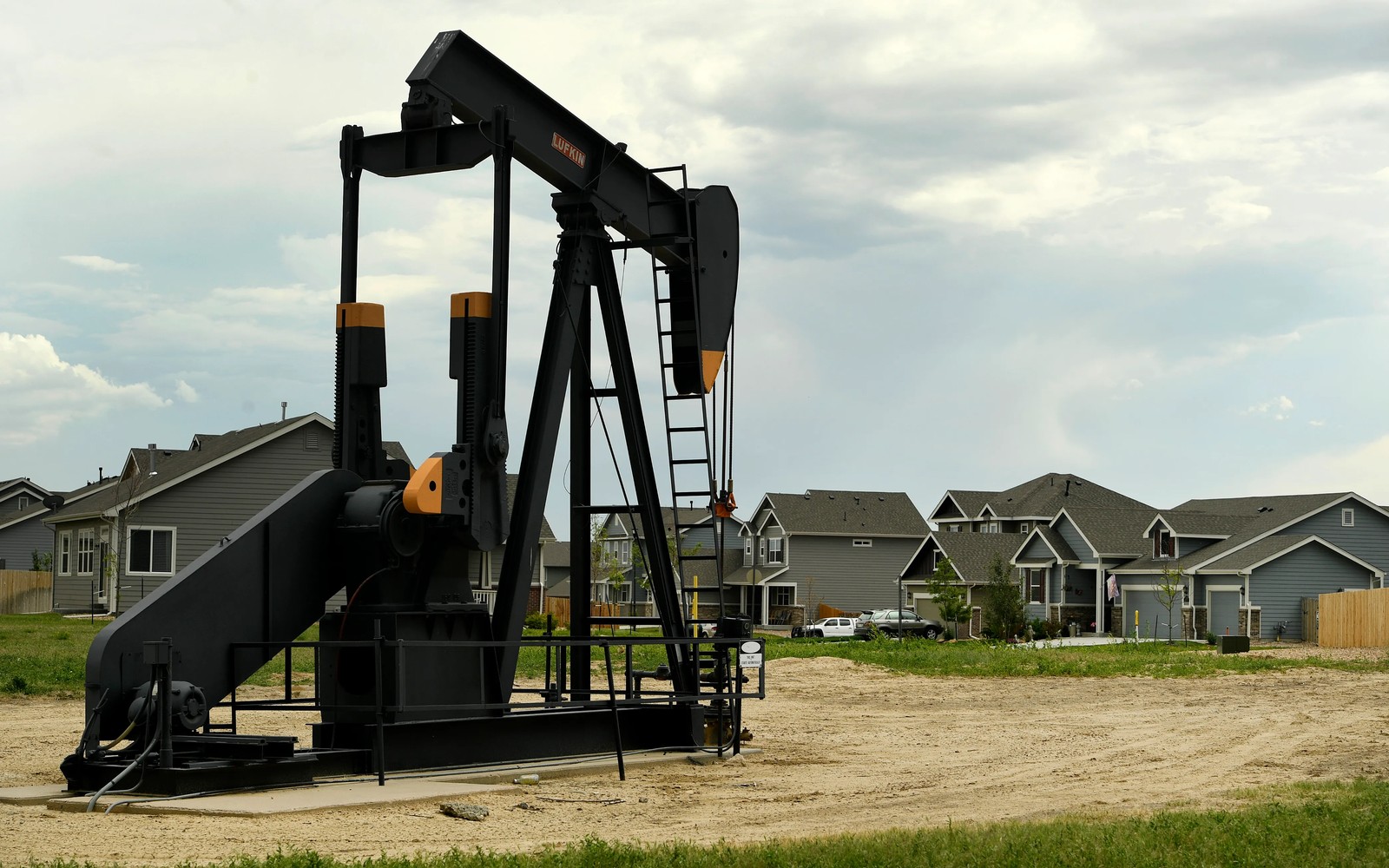
Wyoming's Green River Basin has been producing gas out of tight sand formations since before most royalty owners today were old enough to understand what a division order was.
Southwest Wyoming's Green River Basin, home to the Pinedale Anticline, the Jonah Field, and the Wamsutter area, has quietly been one of the country's most productive tight-gas regions for decades, even though it rarely gets the national attention that Texas or North Dakota plays do. If your family's minerals sit in Sublette, Sweetwater, or Lincoln County, there's a good chance they're tied to wells that have been producing steadily since the 1990s or 2000s development boom in these fields.
A lot of Green River ownership is genuinely remote, both geographically and in terms of family distance, minerals passed down to heirs who now live in another state entirely and have never seen the land the wells sit on. We work with those owners regularly and don't expect anyone to make a trip to Wyoming to sell what's theirs.
The Pinedale and Jonah fields produce from tight, low-permeability sandstone rather than shale, developed using densely spaced vertical and directional wells rather than the long horizontal laterals common in newer shale plays. It's an older style of unconventional development, proven and understood, with a production profile that tends to decline more gradually than a modern shale horizontal.
That gradual decline is part of why some Green River interests have been paying steadily for twenty-plus years. It's also why the remaining upside on a mature well here is usually modest; this basin's story has largely already been told.
A significant share of Green River Basin minerals are federally owned or involve split estate, where the surface is privately held but the minerals underneath belong to the Bureau of Land Management, or vice versa. If your family's interest is a private mineral estate underlying federal surface, or a state trust lease, the leasing and royalty mechanics differ from a straightforward private fee mineral situation.
We sort out exactly what kind of estate you hold before discussing value, because federal and state royalty terms, and the process for transferring a private interest tied to them, aren't identical to standard fee mineral transactions.
We regularly buy Green River interests from heirs scattered across several states who inherited a fractional share none of them have actively managed. The paperwork can usually be handled entirely by mail and phone, with title work done from courthouse and BLM records rather than requiring anyone to visit Wyoming in person.
If distance or family logistics have kept you from dealing with a small Wyoming interest for years, that's a common reason owners decide selling makes more sense than continuing to manage it from far away.
Because Green River production has been so long-lived and gradual in its decline, we take extra care to look at multi-year production trends rather than any single recent month when valuing an interest here. A well that's been paying reliably for two decades deserves a valuation built on that full track record, not a snapshot that happens to catch a slow quarter or an unusually strong one.
This is also a basin where gas price swings, rather than production changes, usually explain most of the month-to-month variation an owner sees, so we separate those two factors clearly before discussing what your interest is worth.
It's common for a single Green River Basin mineral estate to have been divided among heirs who now live in half a dozen different states, none of whom have talked to each other about the interest in years. We're used to coordinating a purchase across that kind of scattered ownership, working with each heir individually or through whoever's managing the estate, without requiring everyone to be in the same room or even the same time zone.
If your family's Wyoming interest has become more of an administrative headache than a meaningful income source, that's a reasonable, honest reason to consider selling rather than continuing to manage it long distance.
The Pinedale Anticline and Jonah Field produce mainly from tight Lance and Mesaverde sandstone formations, developed through densely spaced wells rather than long horizontal shale-style laterals.
It depends on your specific deed and lease history. Much of this basin involves federal BLM minerals or split estate arrangements, so we confirm exactly what you hold before discussing any transaction.
Yes. We handle title work through courthouse and, where relevant, BLM records, and closing documents can be signed and notarized from wherever you live.
Wamsutter has slowed from its peak development years but continues to produce, with periodic drilling activity depending on gas prices and operator plans.
The same tract, deed chain, lease, division order, payor account, wells, and deductions carry into each of these reviews.
Own Fayetteville Shale gas royalty in the Arkoma Basin? We buy mature Arkansas mineral interests from families in Conway, Van Buren, and White County.
Own Smackover Formation oil royalty in Arkansas or Louisiana? We buy legacy interests from one of the South's oldest producing formations, brine and all.
Own Tuscaloosa Marine Shale minerals in Louisiana or Mississippi? We buy interests in this quieter oil play honestly, no overpromising on activity.
Share the county and state, owner name, operator or payor, recent statement, deed or lease if available, and the question behind the inquiry.