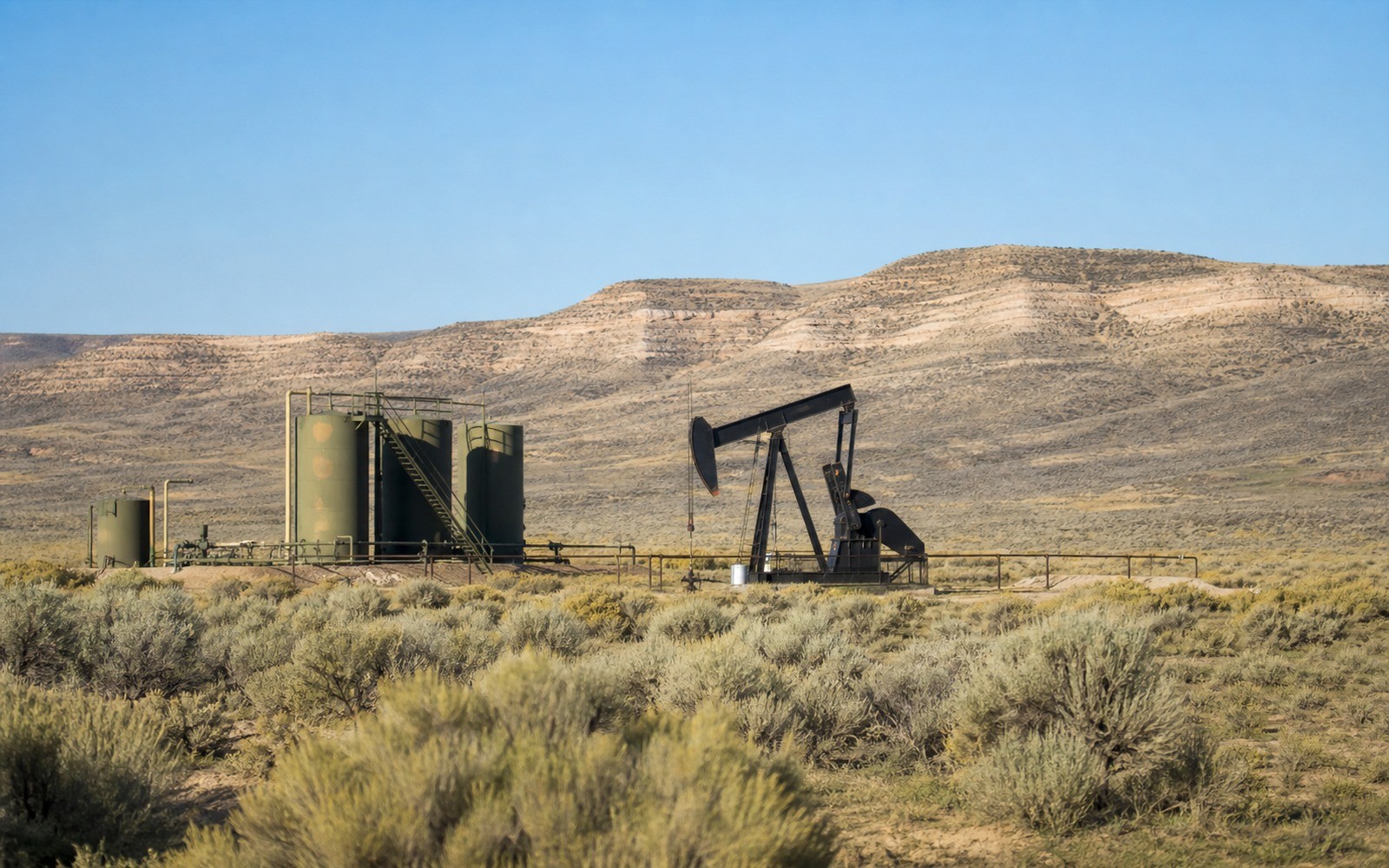
You can own every acre you can see and still not own a single drop of what's underneath it.
In most of the country, real property can be split into two legally distinct estates: the surface estate, which is the land itself and everything on it, and the mineral estate, which is whatever oil, gas, and other minerals sit beneath it. These two estates can be owned by the same person, or they can be severed and owned by two completely different people who may never meet, may never even know each other exists, and who each hold rights that can directly affect the other.
Most owners who reach out to us about a mineral interest have already run into this distinction somewhere along the way, usually because they own minerals under land someone else farms or ranches, or because they own the surface and discovered, sometimes only when a landman showed up, that they don't actually own what's underneath their own property.
Severance happens when a deed conveys the surface and the minerals to different parties, either at the same time — a seller conveys the surface but reserves the minerals — or later, when a mineral owner sells off just the mineral estate while a different owner keeps the surface. Once severed, each estate is its own piece of real property, tracked separately at the county, and each can be sold, leased, inherited, or subdivided independent of what happens to the other.
This creates situations that surprise a lot of surface owners: you can buy a house and the surrounding acreage with a completely clean title on the surface, and still not own the minerals beneath it, because a previous owner reserved them decades earlier in a deed that has nothing to do with the transaction you just closed. Title insurance on a surface purchase typically doesn't document mineral ownership unless specifically addressed, which is why surface buyers are sometimes caught off guard.
In most states that recognize severed mineral ownership, the mineral estate is legally considered dominant over the surface estate, meaning the mineral owner (or their lessee) generally has an implied right to use as much of the surface as is reasonably necessary to explore for and produce the minerals, even without the surface owner's consent, subject to state law and any specific surface use agreement in place. This surprises a lot of surface owners who assume that owning the land gives them control over what happens on it.
In practice, this dominance is limited by a reasonableness standard, and many states now require operators to provide notice, minimize surface disturbance, or negotiate a surface use agreement covering compensation and access terms before drilling. Some states have gone further and enacted specific surface owner protection statutes. The exact balance of rights varies meaningfully by state, so a surface owner dealing with a mineral lessee should understand their specific state's rules rather than assuming either side has absolute control.
If you own minerals under land you don't own the surface of, you generally retain your right to lease and receive royalty regardless of who owns the surface or how they feel about drilling activity. The surface owner's consent typically isn't legally required for you to lease your minerals, though practically speaking, cooperative surface owners make development easier and less contentious, and some operators factor surface owner relations into where they choose to drill first within a broader leased area.
This also means that as a mineral owner, you're not responsible for surface use disputes between the operator and the surface owner — that relationship and any compensation for surface damage is typically handled directly between them, separate from your royalty payments, unless your specific lease says otherwise.
We only buy mineral interests, not surface land, so if you're looking to sell just your severed mineral estate while keeping your home and surface acreage, that's exactly the kind of transaction we handle regularly and it doesn't touch your surface ownership at all. Confirming that your interest really is a severed mineral estate, and getting the legal description to match what's on file at the county, is one of the first things we check before making an offer.
If you own both the surface and the minerals together and are only looking to sell the mineral portion, that's equally straightforward — the sale simply carves out and transfers the mineral estate while your surface ownership stays exactly as it is, with the buyer stepping into a now-severed mineral position beneath your land.
Not necessarily. In most states, surface and mineral ownership can be severed, meaning a previous owner may have reserved or sold the minerals separately, sometimes long before you purchased the surface.
Generally the mineral estate is considered dominant and carries an implied right of reasonable surface access, though many states require notice, limit surface disturbance, or mandate a surface use agreement. The exact rules vary meaningfully by state.
No. We buy severed mineral estates regularly, and selling your mineral interest doesn't require owning or affect ownership of the surface land above it.
Check your deed and its chain of title at the county clerk or recorder's office. A reservation or conveyance of minerals separate from the surface should appear somewhere in that recorded history.
No. Selling the mineral estate transfers only the minerals beneath your property. Your surface ownership, home, and land stay exactly as they were before the sale.
The same tract, deed chain, lease, division order, payor account, wells, and deductions carry into each of these reviews.
A royalty interest pays you a share of production with no drilling costs and no leasing authority. Here's exactly how the payment math works.
Mineral rights are ownership of what's under the surface, separate from the land itself. Here's how they're created, leased, and how royalties flow from them.
An NPRI pays production royalties with zero say over leasing. Here's how it's created, why it confuses owners, and how it's valued and sold.
Share the county and state, owner name, operator or payor, recent statement, deed or lease if available, and the question behind the inquiry.