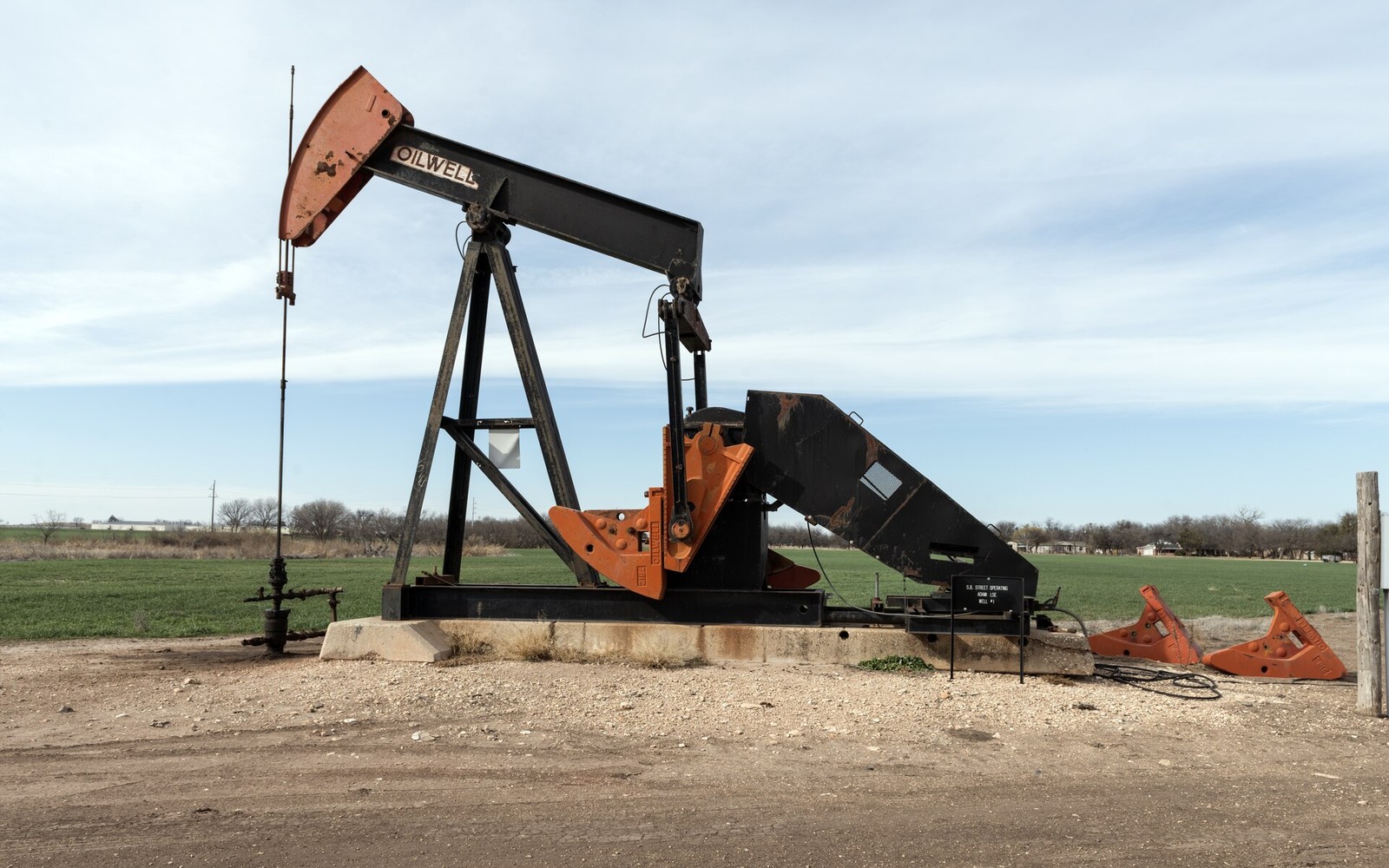
The Midland side of the Permian has been oil country for a century, and the horizontal Wolfcamp and Spraberry wave of the last fifteen years just added a new chapter to family mineral estates that were already generations deep.
West Texas ranching and farming families around Midland, Martin, Howard, Glasscock, and Reagan counties have a longer relationship with oil than almost anywhere else in the country. Vertical wells here go back to the 1920s, and a lot of families hold minerals that have already been drilled, produced, and re-drilled more than once across different eras of technology. The horizontal Wolfcamp and Spraberry development that took off after roughly 2010 layered new production and new leases on top of decades of prior history.
That layered history is both an advantage and a complication for valuing a Midland Basin interest. An advantage because it usually means there's real production history to work from rather than pure speculation; a complication because older vertical-era leases, newer horizontal leases, and everything assigned in between can all be sitting on the same tract with different terms.
It's common in the Midland Basin to find a family's minerals were first leased and drilled with vertical wells decades ago, then re-leased or held by production into the horizontal era when operators came back with modern Wolfcamp and Spraberry laterals. Each phase can carry different lease terms, different royalty fractions, and different deduction language, all stacked on the same acreage.
We trace that full history rather than valuing off the most recent check alone, because an older, more favorable lease still governing part of your production can materially change what your interest is worth.
Like its Delaware Basin neighbor to the west, the Midland Basin's Wolfcamp interval is often divided into separate benches that can be developed independently, sometimes by different operators holding different depths under the same surface acreage. It's entirely possible for one company to be producing your shallower Spraberry rights while a different operator holds deeper Wolfcamp rights that haven't been drilled yet.
Before valuing your full mineral estate, we check what's actually been developed at each depth, not only what shows up on your most recent check.
The Midland Basin doesn't always grab headlines the way the Delaware side does, but it's remained a steady, well-capitalized area of development for major operators for over a decade now. That consistency tends to make Midland interests easier to value with confidence than a play with more boom-and-bust swings, since there's a longer, steadier track record to draw on.
We'll show you what recent activity near your specific section looks like before putting a number in front of you, rather than leaning on the basin's general reputation.
A lot of the Midland Basin owners we talk to are the fourth or fifth generation to hold their family's minerals, sometimes alongside a working cattle operation on the same acreage, sometimes long since separated from the land itself. That kind of history deserves a real conversation, not a form letter offer, and we take the time to understand where your family's minerals fit into that longer story before we talk numbers.
Whether your family's next step is settling an estate, funding a ranch improvement, or simply converting decades of layered royalty history into something more predictable, we'll walk through exactly how we arrived at our offer.
Both are Permian sub-basins, but the Midland sits to the east and generally has a somewhat thinner, shallower stacked-pay section than the deeper Delaware side, along with a longer history of vertical development predating the horizontal boom.
It adds title work but isn't unusual in the Midland Basin. We trace the full leasing history, vertical and horizontal era alike, to understand exactly what governs your current production.
Possibly. Wolfcamp benches and other deeper zones can be held by different operators than whoever produces your shallower rights. We check depth-specific development before valuing your full interest.
Yes, activity has remained fairly steady from major operators over the past decade, though the pace varies by specific county and section rather than being uniform across the whole basin.
Your most recent check stub or division order, plus any original lease paperwork you have, whether vertical or horizontal era. We handle the rest of the title work from courthouse and county records ourselves, so you're not stuck chasing down old documents or making a trip to West Texas to close a sale.
We can work with all listed heirs together or structure the purchase to accommodate each owner's share individually, whichever is simpler for your family.
The same tract, deed chain, lease, division order, payor account, wells, and deductions carry into each of these reviews.
Own Delaware Basin minerals in West Texas or southeast New Mexico? We buy stacked-pay Permian royalty interests, deductions and all, no pressure.
Own Anadarko Basin minerals in western Oklahoma or the Texas Panhandle? We buy stacked-pay royalty interests and walk you through the decision, no pressure.
Own SCOOP or STACK mineral rights in central Oklahoma? We buy stacked-pay Woodford and Meramec royalty interests, condensate checks and all.
Share the county and state, owner name, operator or payor, recent statement, deed or lease if available, and the question behind the inquiry.