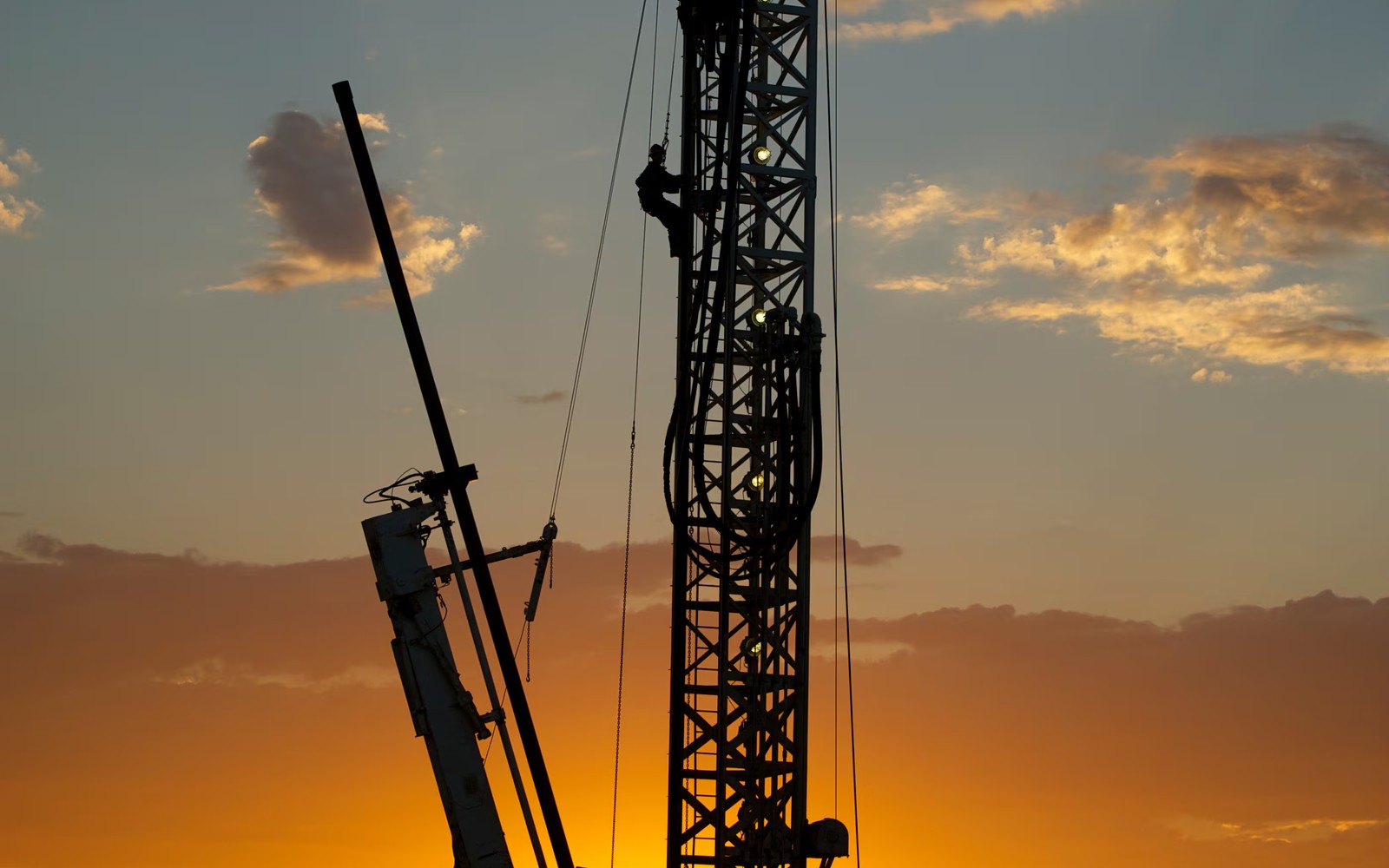
The Barnett Shale was the play that started it all, and two decades on, a lot of the wells that made history are now quietly winding down under subdivisions their owners never expected to see.
Before the Permian, before the Eagle Ford, before people outside Texas had even heard the word fracking, there was the Barnett. Operators cracked the code on horizontal drilling and hydraulic fracturing in Tarrant, Johnson, Wise, and Denton counties in the early 2000s, and it changed the industry for good. If your family owns Barnett minerals, there's a decent chance the lease dates back to that first wave, and a decent chance the well underneath it is now fifteen or twenty years into its life.
What makes Barnett ownership unusual compared to a lot of newer plays is where it sits. A good share of Barnett wells were drilled inside or right up against the Dallas-Fort Worth metro, meaning your minerals might sit under a shopping center or a subdivision built after the well went in. That doesn't change your ownership, but it does shape what kind of future activity, if any, is realistic on your tract.
The Barnett's big drilling wave ran roughly 2003 through 2012. Since then, gas prices and the play's own maturity have kept new permits scarce. That means most Barnett owners today are collecting royalty off a well past its steep decline years, sitting on a long, low tail. It's a fundamentally different conversation than a basin still seeing fresh horizontals.
We're straightforward about this with Barnett owners: we're not going to tell you a new well is likely to show up on your section next year if the data doesn't support it. What we can tell you is what your existing production is realistically worth given where it sits on the curve today.
Because so much Barnett acreage sits inside city limits, operators there dealt with surface use ordinances, setback requirements, and residential proximity in ways that basins out in open ranch country never had to. Some cities in the Metroplex have tightened drilling ordinances significantly since the boom years, which affects how likely any future development near your minerals actually is.
If your tract is inside Fort Worth city limits or another municipality with strict setback rules, that's a real constraint on future drilling, not only a paperwork detail, and it belongs in any honest conversation about what your interest is worth.
Barnett leases signed in the early boom years carry a wide range of deduction language, some favorable to the mineral owner, some not. Because this was a new kind of play at the time, a lot of early leases were negotiated without the benefit of the post-production cost fights that came later in Texas courts. We read the actual lease, not only the check, because two neighboring Barnett owners can have very different net royalty even off similar gross production.
If you've still got the original lease paperwork, hang onto it. It tells us more about what you're really getting paid, and what a buyer should offer, than the well's production history alone.
It's worth remembering that the techniques used across nearly every modern shale play, horizontal drilling paired with multi-stage hydraulic fracturing, were proven commercial here first. That pioneering history doesn't change what your Barnett interest is worth today, but it does explain why this basin has such a long, well-documented production record for us to draw on when evaluating your specific well.
We use that depth of historical data to give Barnett owners a more confident, better-supported offer than we could on a newer, less-understood play.
New drilling has slowed to a trickle compared to the 2003-2012 boom. Most current Barnett production comes from mature wells rather than new completions, though some operators still work over or refrac older wells occasionally.
It mainly affects the likelihood of any future new drilling, since municipal setback ordinances restrict where new wells can go. It doesn't change your existing royalty on production already underway.
Barnett wells are now well into their decline curve, often fifteen-plus years old. Lower volume combined with natural gas price swings typically explains the drop more than anything wrong with the well itself.
Tarrant, Johnson, Wise, and Denton counties hold the core of Barnett production, with additional acreage extending into surrounding North Texas counties.
A steady, low-decline check late in a well's life is often a reasonable time to sell, since much of the volatility has already played out. We'll walk through your specific production history before recommending either way.
The same tract, deed chain, lease, division order, payor account, wells, and deductions carry into each of these reviews.
Own San Juan Basin gas royalty in northwest New Mexico or southwest Colorado? We buy mature coalbed methane and conventional mineral interests.
Own Piceance Basin gas royalty in Garfield, Rio Blanco, or Mesa County, Colorado? We buy tight-sand mineral interests, remote and mountain acreage alike.
Own Uinta Basin mineral rights in Duchesne or Uintah County, Utah? We buy waxy-crude oil and gas royalty interests from Utah ranch and farm families.
Share the county and state, owner name, operator or payor, recent statement, deed or lease if available, and the question behind the inquiry.