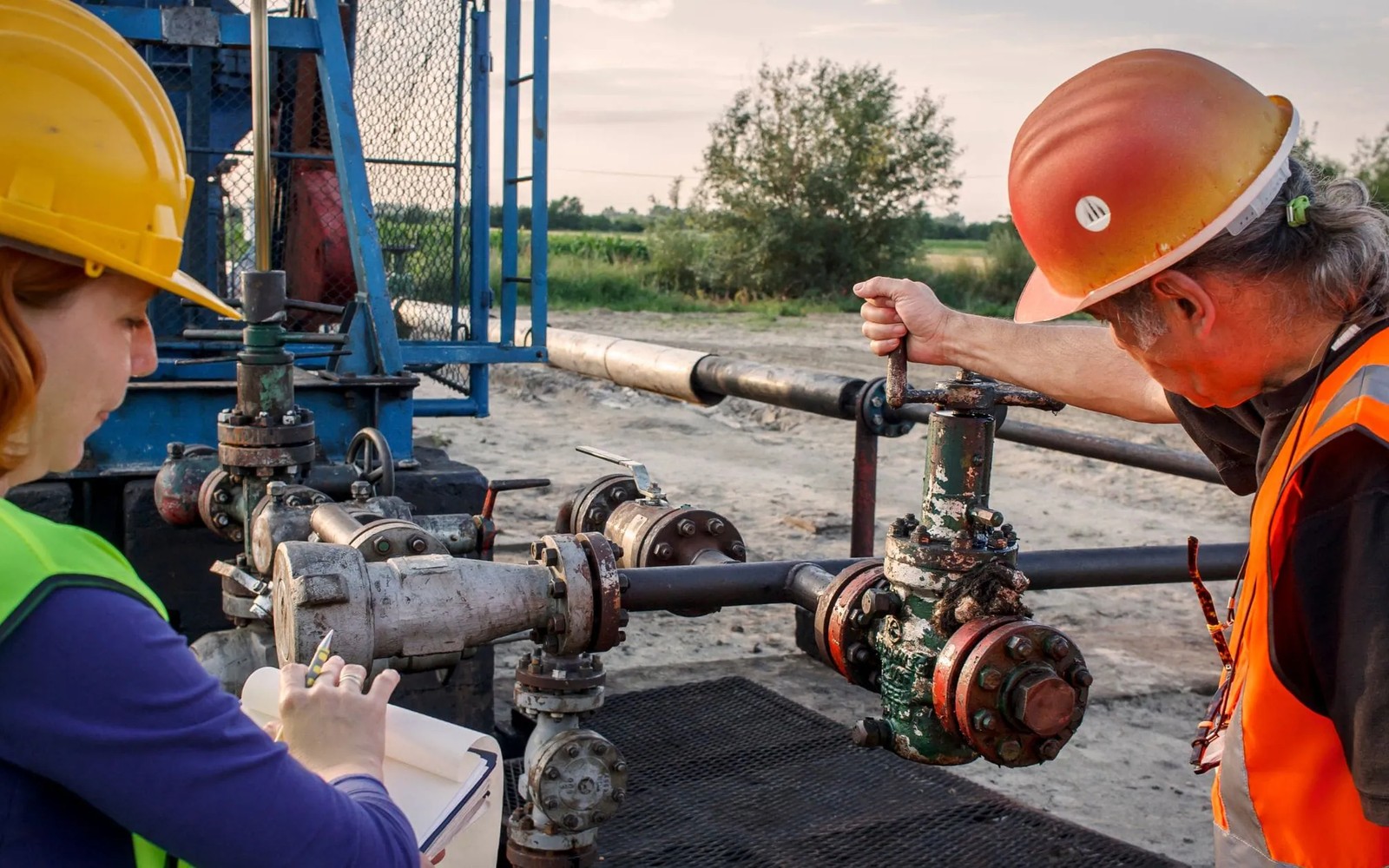
The Utica Shale sits deeper than the Marcellus above it, and for a lot of eastern Ohio families, figuring out which formation their check actually comes from is the first real question worth answering.
Eastern Ohio counties like Carroll, Harrison, Belmont, and Guernsey became genuinely busy oil and gas country starting around 2011, when horizontal drilling opened up the Utica Shale, a deep formation sitting below the more famous Marcellus that dominates conversation in Pennsylvania and West Virginia. Ohio families who leased their farmland during that boom often signed with an understanding of exactly which formation they were dealing with; heirs who inherited those interests later don't always have that same clarity.
We start every Utica conversation by identifying which formation is actually producing your royalty, and whether your lease and deed language might also touch the Marcellus or other formations under the same acreage, because the answer isn't always obvious from the check stub alone.
The Utica Shale isn't a single, uniform commodity play; it runs from a dry-gas window in the eastern part of the play through a wet-gas and NGL-rich middle zone into an oil window further west and south, not unlike the Eagle Ford's geographic split. Your specific county, and sometimes your specific township, determines which of these windows your production falls in, which shapes both your check composition and how your royalty responds to commodity price swings.
We check your production mix, oil, condensate, NGLs, or straight residue gas, against your county location before assuming we know what kind of Utica interest you're holding.
Because the Utica sits below the Marcellus across much of eastern Ohio and into West Virginia, it's genuinely common for the two formations to be leased separately, sometimes to different operators, sometimes years apart. A family that leased Marcellus rights during the mid-2000s boom might have signed an entirely separate Utica lease years later when operators returned specifically for the deeper formation.
This means your mineral estate could carry two active leases and two royalty streams from the same surface acreage, or it could mean one formation remains entirely unleased while the other produces. We check both possibilities before valuing your full interest, since assuming they're a single package can significantly undersell what you actually hold.
Ohio has its own body of case law and lease conventions around post-production deductions that differ somewhat from Pennsylvania and West Virginia, even for the same Utica formation. Lease language that would net favorably in one state can work differently in Ohio depending on how the specific deduction clause is written and how it's been interpreted by Ohio courts.
We read your lease with Ohio's specific legal environment in mind rather than applying assumptions carried over from a neighboring state's Marcellus or Utica leases.
A lot of eastern Ohio families we work with leased their own farmland during the initial Utica rush, remembering exactly where they were sitting when the landman came through with a bonus offer that felt like it changed everything overnight. Others inherited a fractional interest from a relative who did that leasing and have spent years since trying to understand what the resulting royalty actually represents.
Either way, we walk through your specific well history and lease terms in plain language, because Ohio's Utica boom brought a lot of paperwork into families who'd never dealt with oil and gas before, and that paperwork deserves a clear explanation, not jargon.
Your division order or check stub should reference a specific well name and formation. Ohio Department of Natural Resources well records can confirm the producing formation if that's not clear from your paperwork; send us the well name and we can typically check within a day.
Yes, this is common in eastern Ohio, since the two formations were sometimes leased separately, years apart, and even to different operators. We check for both possibilities before valuing your full mineral estate.
The Utica ranges from dry gas in the east to wet gas and NGLs in the middle to an oil window further west and south. Your specific county and township determine which commodity mix your production falls into.
Carroll, Harrison, Belmont, Guernsey, Noble, and Monroe counties are among the most actively developed core Utica Shale counties in eastern Ohio.
Yes, though we'll walk through both formations' status with you clearly before making an offer, since the value of an unleased formation beneath your producing acreage deserves its own honest discussion.
The same tract, deed chain, lease, division order, payor account, wells, and deductions carry into each of these reviews.
Own Niobrara formation mineral rights across Colorado, Wyoming, or Nebraska? We buy chalk-play royalty interests wherever the geology takes them.
Own DJ Basin mineral rights near Denver's suburbs or on Colorado farmland? We buy Wattenberg-area interests, setback rules and all, no pressure.
Own Barnett Shale gas royalty in the DFW area? We buy mature North Texas mineral interests, including urban leases from the play's early boom years.
Share the county and state, owner name, operator or payor, recent statement, deed or lease if available, and the question behind the inquiry.