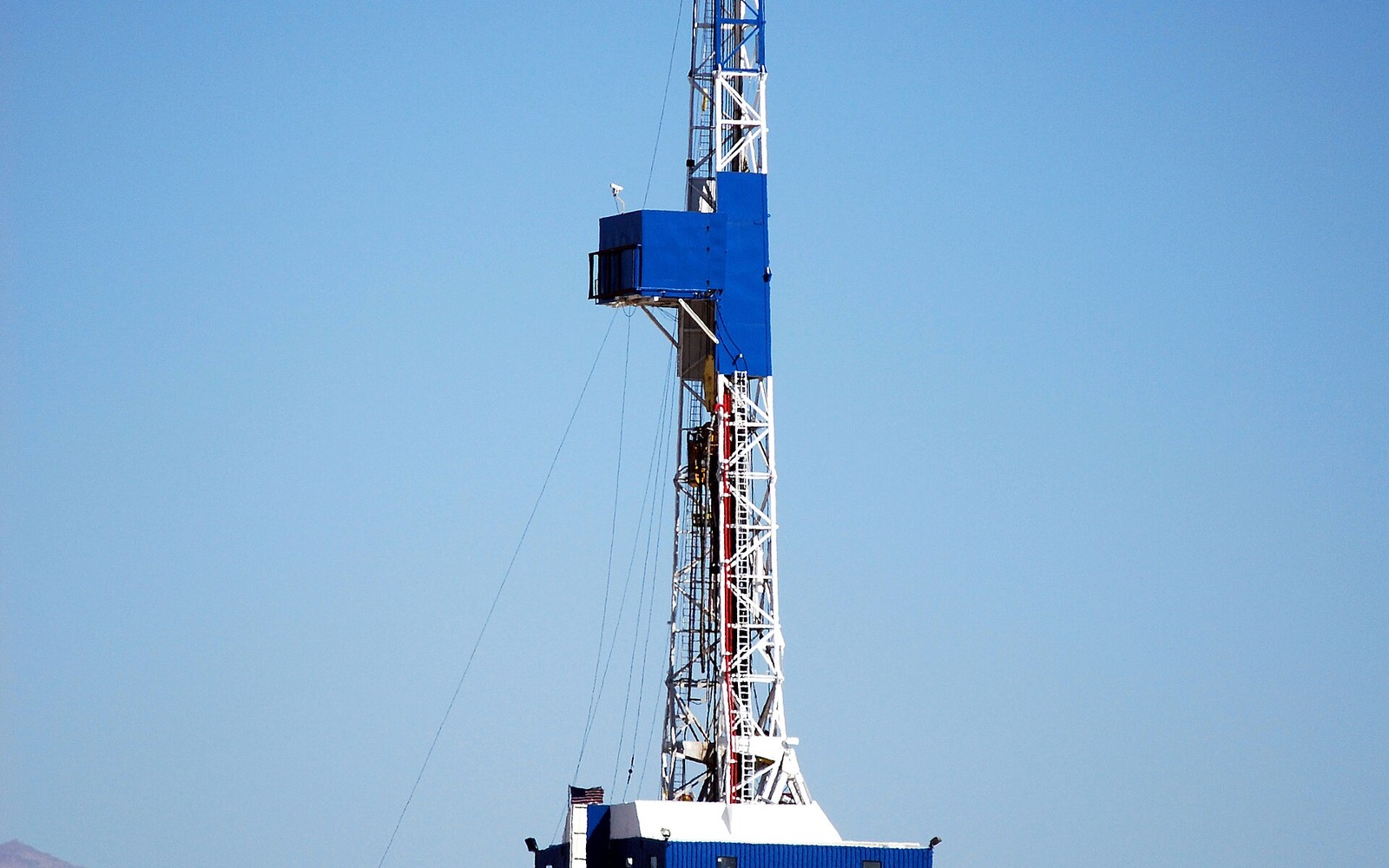
The Niobrara isn't confined to one basin, it's a chalk formation that stretches under parts of Colorado, Wyoming, and Nebraska, which means your family's mineral estate might sit under very different development conditions than a neighbor a few counties over.
It's easy to confuse the Niobrara with the DJ Basin, and honestly the two overlap in Colorado, but the Niobrara chalk formation itself extends well beyond the Denver-Julesburg boundaries, into Wyoming's Powder River and Denver basins and across into Nebraska's panhandle. What ties Niobrara royalty owners together isn't a single basin or a single set of counties, it's the formation itself, a fractured chalk that horizontal drilling learned to open up effectively starting a little over a decade ago.
We've bought Niobrara interests from Colorado families dealing with suburban growth pressure and from Wyoming and Nebraska families on land that's never seen a subdivision anywhere nearby. The formation is the same; the development reality around it is often not, and we sort that out based on your specific county before talking value.
Because the Niobrara chalk sits under multiple structural basins, activity levels and operator interest vary a great deal depending on where your acreage falls. Colorado's Wattenberg Field area has seen dense, sustained horizontal development for years. Wyoming's Niobrara acreage in the Powder River Basin has had more boom-and-slowdown cycles as operators tested whether the formation performed as well there as it did in Colorado. Nebraska's Niobrara acreage sees the least drilling activity of the three states by a wide margin.
This means a blanket answer about Niobrara mineral value doesn't really exist. We start with your state and county, then layer in the specific operator activity nearby, before forming any opinion about what your interest is worth.
The Niobrara is a chalk formation rather than a true shale, and its natural fracturing means wells can perform well even with somewhat less intensive completion work than a tighter shale would require, though operators have moved toward longer laterals and larger completions over time regardless. For a royalty owner, the practical upshot is a production profile that shares some characteristics with other unconventional oil plays: a strong initial year followed by meaningful decline, then a longer, flatter tail.
We look at where your specific well sits on that curve, factoring in when it was drilled and how completion techniques in your area have evolved, since a well drilled in 2013 and one drilled in 2021 in the same formation can perform quite differently.
Because so much national coverage of the Niobrara focuses on Colorado's Wattenberg Field, owners in Wyoming or Nebraska sometimes assume their interest is an afterthought. That's not accurate; the formation still produces real royalty in those states, just typically at a slower pace of new development and with fewer operators actively competing for acreage.
We evaluate Wyoming and Nebraska Niobrara interests on their own merits rather than discounting them simply because they sit outside the most talked-about part of the play.
Because the Niobrara spans such different regulatory and development environments across three states, we never quote a value based on the formation name alone. We start with your county, check what operators have been doing there recently, and only then look at your specific production history to form an honest picture of what your interest is worth today.
That extra step takes a little longer than a one-size-fits-all quote, but it's the only way to get a number that actually reflects your family's specific piece of the Niobrara rather than the play's broadest reputation.
They overlap but aren't identical. The Niobrara is a chalk formation that extends across parts of Colorado, Wyoming, and Nebraska, while the DJ Basin is a specific structural basin in Colorado where much of the formation's densest development has happened.
The formation's performance and the level of operator competition for acreage vary by area. Colorado's Wattenberg Field has seen the most sustained development; Wyoming and Nebraska portions have generally had slower, more selective activity.
Chalk formations like the Niobrara have natural fracturing that shale often lacks, which historically affected how operators approached completions, though modern horizontal wells across both rock types now use broadly similar techniques.
Yes, though the pace of new development is slower than in Colorado's core areas. We evaluate Nebraska Niobrara interests on their own production history and nearby activity rather than assuming less value simply due to location.
Your county alone tells us this. Once we know where your acreage sits, we can confirm the relevant state's oil and gas regulatory framework within a day.
The same tract, deed chain, lease, division order, payor account, wells, and deductions carry into each of these reviews.
Own DJ Basin mineral rights near Denver's suburbs or on Colorado farmland? We buy Wattenberg-area interests, setback rules and all, no pressure.
Own Barnett Shale gas royalty in the DFW area? We buy mature North Texas mineral interests, including urban leases from the play's early boom years.
Own San Juan Basin gas royalty in northwest New Mexico or southwest Colorado? We buy mature coalbed methane and conventional mineral interests.
Share the county and state, owner name, operator or payor, recent statement, deed or lease if available, and the question behind the inquiry.