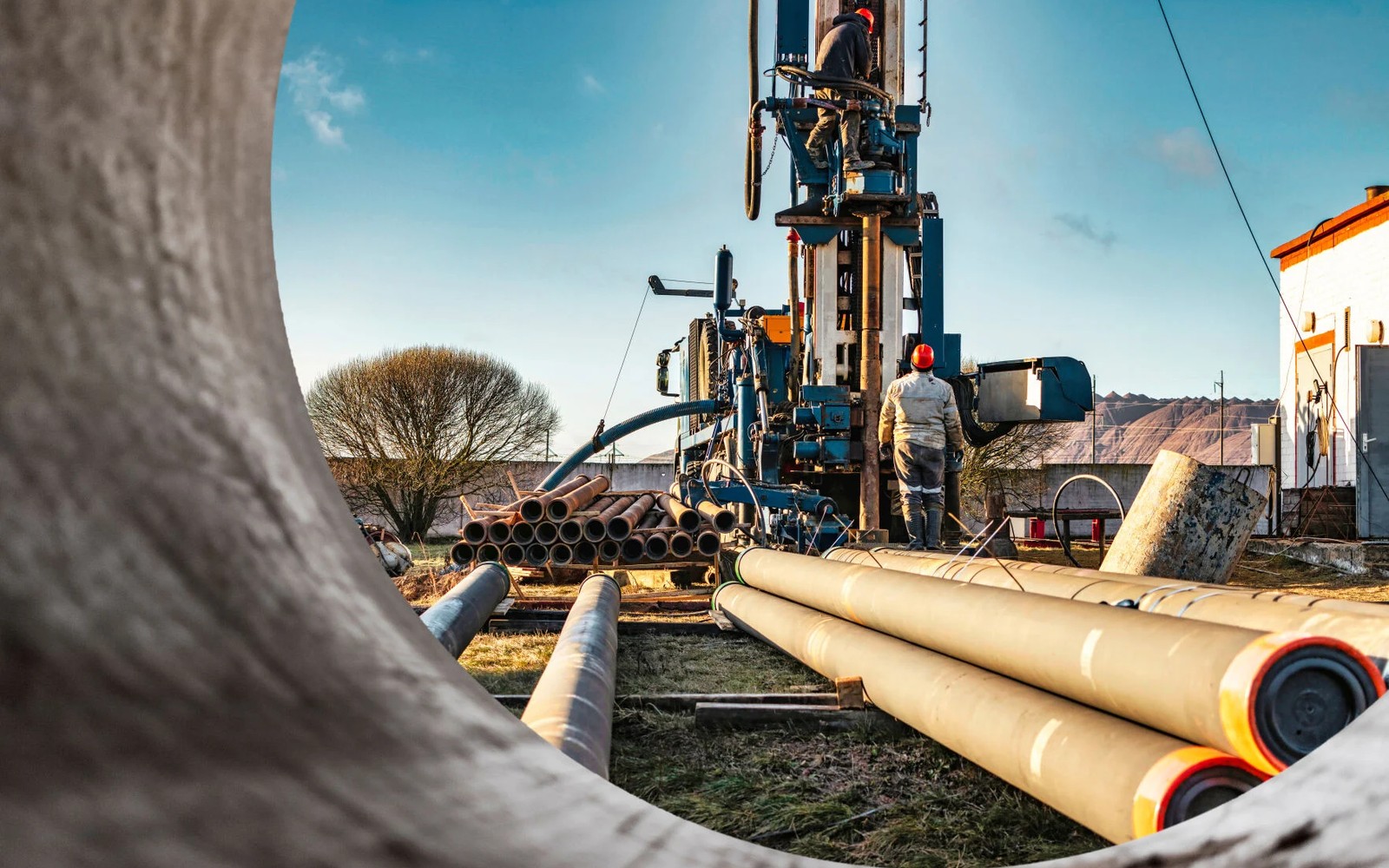
Marcellus leases signed during the early Pennsylvania and West Virginia boom look almost nothing like the leases operators write today, and that difference shows up directly in what owners actually net.
The Marcellus Shale turned quiet farm country across Pennsylvania and West Virginia into some of the most productive dry-gas territory on earth starting in the mid-2000s. A lot of families we talk to leased their own land during that first wave, sitting across the kitchen table from a landman offering a bonus check that felt like real money at the time, without much sense of how post-production deduction language would eventually shape their monthly royalty. Others inherited a fractional interest from a parent or grandparent who did that leasing decades ago and never fully explained the details.
Either way, the Marcellus is a basin where the specific lease language matters as much as the well's production. Two neighbors with wells producing similar volumes can see very different net checks depending on when and how their lease was written, and we treat that difference seriously rather than pricing every Marcellus interest off the same assumptions.
Leases signed in the first Marcellus wave, roughly 2005 through 2010, often predate the more aggressive post-production cost language that became standard later. Pennsylvania courts and the state legislature have wrestled with how much operators can deduct for gathering, compression, dehydration, and marketing, and the answer has shifted over the years, sometimes retroactively affecting how older leases get interpreted.
If you still have your original lease, or your family's, we read it directly rather than relying on what the check stub implies, because Marcellus deduction disputes are common enough that the paper trail genuinely matters here.
The Marcellus is overwhelmingly a dry-gas play, meaning your royalty tracks natural gas prices closely without the cushion of oil or heavy NGL volumes that some other plays enjoy. Wells here also tend to have somewhat gentler decline curves than tighter oil shale plays, giving owners a longer runway of production, but that production is still fundamentally a bet on where gas prices sit each quarter.
We look at your production history against the gas price backdrop for those same months before assessing what your interest is really telling us about the well itself.
In parts of Pennsylvania and especially West Virginia, the deeper Utica Shale sits below the Marcellus, and it's increasingly common for operators to hold rights to both formations under the same tract, sometimes leased separately, sometimes together. If your Marcellus lease doesn't clearly address the Utica, there may be additional value or additional complexity sitting below your existing production that's worth untangling before any sale.
We check for this specifically on Pennsylvania and West Virginia interests, because owners are sometimes surprised to learn the Utica question was never resolved in their original paperwork.
A lot of the Marcellus families we talk to are still farming or living on the same ground their minerals sit under, which makes this a different kind of conversation than a purely inherited, out-of-state interest. There's often a real relationship with the land and, sometimes, with the operator's field staff, built up over years of well visits and lease renewals.
We try to respect that when we make an offer: explaining our numbers clearly, not pushing a quick signature, and giving you time to compare what we're offering against what you'd keep collecting if you held on.
Deduction language depends heavily on when and how the lease was written. Early leases from the mid-to-late 2000s often used simpler terms than leases negotiated after operators and courts worked through years of disputes over gathering, compression, and marketing costs.
It depends on your specific lease and deed language. Some Marcellus leases address deeper formations, others don't. We review your paperwork specifically for this, since it can represent additional value not reflected in current production.
Yes, though activity varies significantly by county and has become more selective than the initial boom years, with operators concentrating on their strongest acreage.
Both are legitimate paths depending on your situation and lease language. We can walk through whether your deductions look consistent with your lease terms as part of evaluating whether selling makes sense for you.
Yes, and we account for the differences in each state's lease conventions and post-production cost treatment when reviewing your specific paperwork and production history, including any older leases with unusual or nonstandard terms.
The same tract, deed chain, lease, division order, payor account, wells, and deductions carry into each of these reviews.
Own Utica Shale mineral rights in eastern Ohio? We buy family gas and NGL royalty interests, dual-formation Marcellus questions included.
Own Niobrara formation mineral rights across Colorado, Wyoming, or Nebraska? We buy chalk-play royalty interests wherever the geology takes them.
Own DJ Basin mineral rights near Denver's suburbs or on Colorado farmland? We buy Wattenberg-area interests, setback rules and all, no pressure.
Share the county and state, owner name, operator or payor, recent statement, deed or lease if available, and the question behind the inquiry.