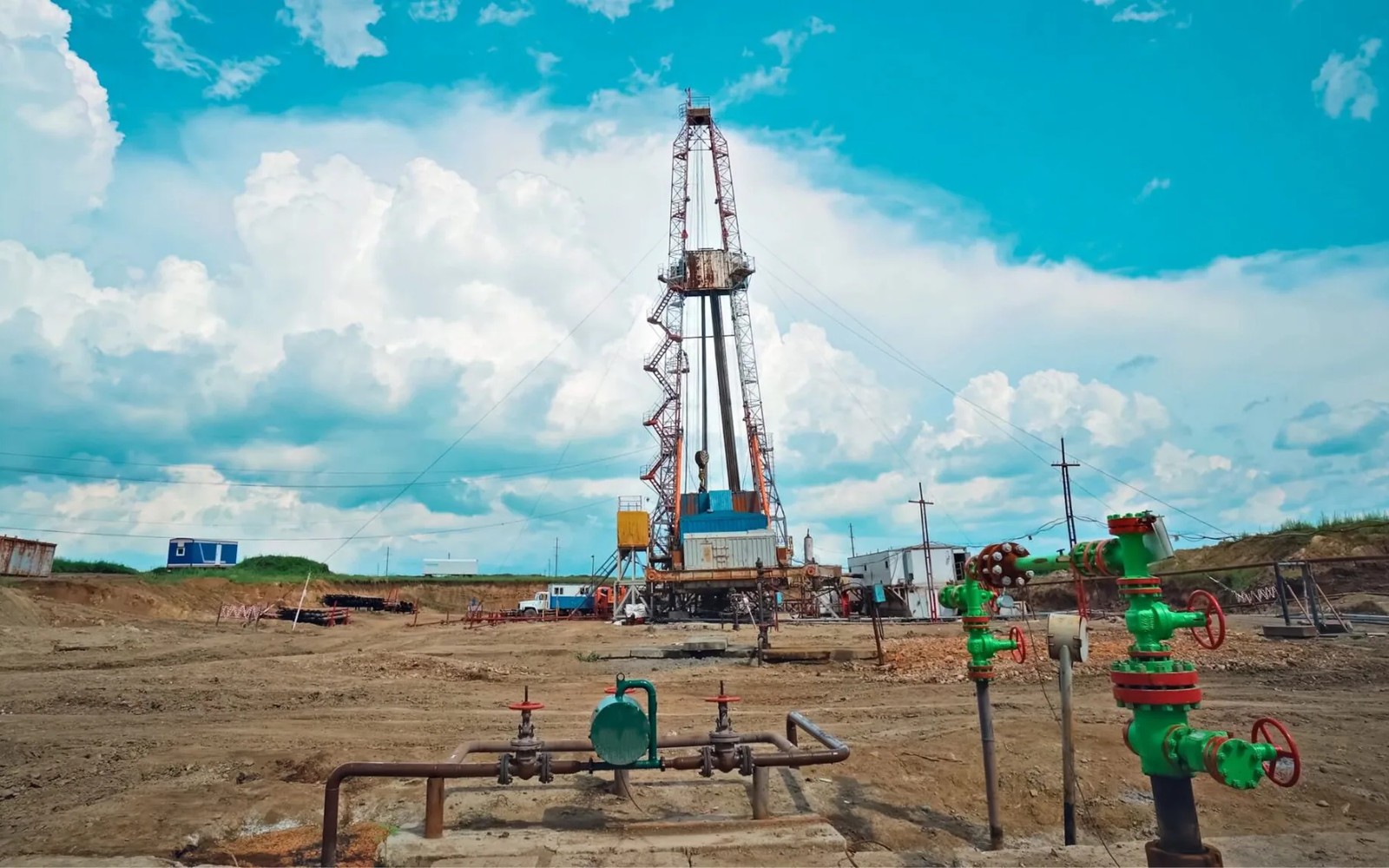
The Haynesville sits right in the path of Gulf Coast LNG demand, which makes it one of the few older shale gas plays that's seeing renewed drilling interest instead of a slow fade.
Northwest Louisiana and East Texas families have watched the Haynesville Shale go through more than one cycle already. It burst onto the scene around 2008 as one of the most prolific dry-gas shale discoveries in the country, cooled off hard when gas prices crashed in the early 2010s, and has come roaring back more recently as Gulf Coast LNG export terminals created new demand for exactly the kind of gas this play produces. If your minerals sit in Caddo, DeSoto, Bossier, or Red River Parish, or across the line in East Texas counties like Harrison or Panola, you've likely felt some version of that whole ride.
That LNG connection is worth understanding because it changes how Haynesville gas gets priced compared to gas that only serves domestic markets. Export demand has given Haynesville producers a reason to keep drilling even when purely domestic gas economics might not support it, which is part of why this basin looks different today than it did a decade ago.
The build-out of LNG export capacity along the Gulf Coast, much of it within reasonable pipeline distance of the Haynesville, gave operators a new reason to keep this dry-gas play active well past the point where a similar basin without that export access might have gone quiet. Some of the largest, most active operators in the country have continued drilling here specifically because of that access.
For a royalty owner, this means the Haynesville isn't purely a legacy, wind-down basin the way some older shale gas plays are. There's a real chance a well near you was drilled more recently, or could be, specifically because of demand that didn't exist when the play first opened up.
The Haynesville is notably deep and hot compared to most shale gas plays, which made it expensive and technically demanding to develop early on, but it also means individual wells can be exceptionally productive when drilled and completed well. That combination of high initial output and high development cost shapes how operators approach the play differently than a shallower, cheaper basin.
It also means well performance can vary more between operators and completion designs than in some other plays, so we look closely at your specific well's history rather than assuming uniform performance across the basin.
Because the Haynesville straddles the Texas-Louisiana state line, we regularly see both states' lease conventions and royalty statute differences at play in the same basin. Louisiana's mineral code and Texas's oil and gas law don't handle every issue, pooling, prescription, division order requirements, identically, so which side of the line your acreage sits on matters for how we approach title and transfer.
We work across both states regularly and account for these differences rather than applying one state's assumptions to the other.
Given how much this basin's economics have shifted with LNG demand, we put real effort into checking current operator activity near your specific tract before valuing your interest, rather than relying on how the play looked five or ten years ago. A parish or county that was quiet during the price downturn might be seeing renewed permitting now, and that current picture matters more than the basin's history alone.
We'll also walk through your deduction line items carefully, since Haynesville leases negotiated at different points across this basin's several cycles carry noticeably different post-production cost terms.
Growing LNG export capacity along the Gulf Coast created new demand for Haynesville gas specifically, giving operators economic reason to drill here even when purely domestic gas prices alone might not have supported it.
Individual wells can be highly productive due to the deep, pressured nature of the formation, though development is also more technically demanding and expensive. Performance varies by operator and completion approach.
Yes. The two states have different mineral and oil and gas law on issues like pooling and division orders. We account for which side of the state line your acreage sits on when handling title and transfer.
Renewed LNG-driven activity has kept the basin more relevant than many older shale plays, but that also means value can move with export demand and gas prices. We look at your specific parish or county's current activity before advising either way.
It can. Leases with straightforward deduction language and a clear title chain generally close faster than older or more complicated paperwork, which is why we review your lease early in the process.
The same tract, deed chain, lease, division order, payor account, wells, and deductions carry into each of these reviews.
Own Bakken oil royalty in the Williston Basin? We buy North Dakota and eastern Montana mineral interests, including tribal allotment and heir situations.
Own Powder River Basin mineral rights in Wyoming or Montana? We buy coalbed methane legacy interests and newer horizontal oil royalty alike.
Own Marcellus Shale gas royalty in Pennsylvania or West Virginia? We buy family mineral interests, old lease language and all, no pressure to sign.
Share the county and state, owner name, operator or payor, recent statement, deed or lease if available, and the question behind the inquiry.