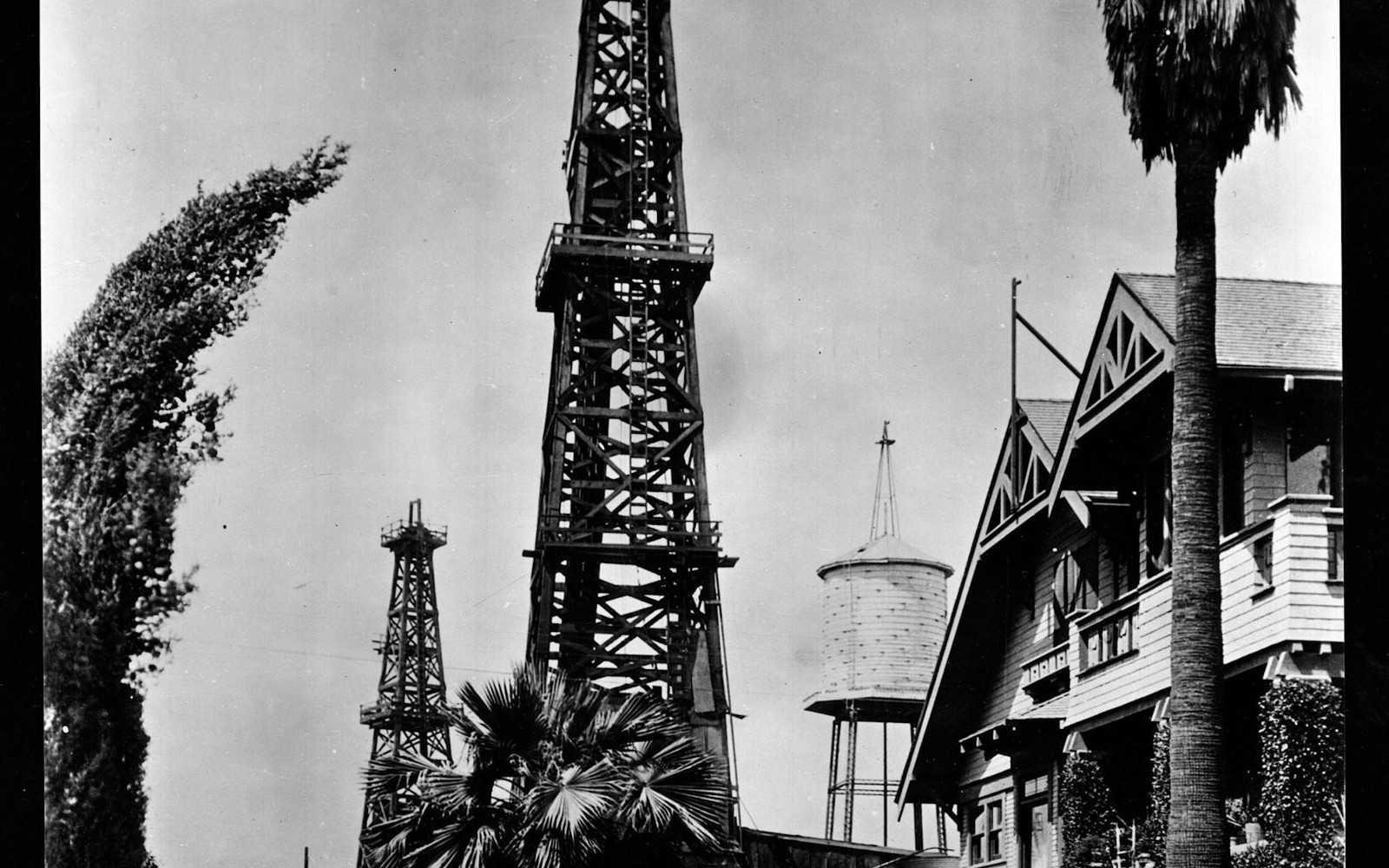
The Tuscaloosa Marine Shale was supposed to be the next big oil play a decade ago, and while it never quite lived up to that early promise, plenty of Louisiana and Mississippi families still hold real, producing minerals in it.
Around 2011 and 2012, operators got excited about the Tuscaloosa Marine Shale, a formation running across southwest Mississippi and into Louisiana parishes like East Feliciana, West Feliciana, and St. Helena, drawing comparisons to the Eagle Ford and Bakken booms happening elsewhere at the time. Lease bonuses came in, drilling started, and then the play struggled: the rock proved harder and more expensive to complete economically than early enthusiasm suggested, and a lot of operators pulled back or exited entirely within a few years.
That history matters for how we talk to Tuscaloosa Marine Shale owners today. This isn't a basin where we're going to tell you a new drilling wave is likely on the horizon, because the honest data doesn't support that story. What we can do is give you a clear-eyed read on what your specific existing production is worth, without dressing up a quiet play as something it isn't.
The Tuscaloosa Marine Shale sits deeper and under higher pressure and temperature than some comparable plays, and its clay content made completions more technically difficult and expensive than operators initially anticipated. Combined with lower oil prices in the years following the initial land rush, the economics simply didn't support the pace of development that early industry chatter suggested.
Some operators did drill successful wells here, and production continues in pockets of the play, but the broad development that owners were told to expect in 2012 largely didn't materialize across most of the acreage.
If you're receiving a royalty check from a Tuscaloosa Marine Shale well, that production is real and worth evaluating on its own terms, regardless of the broader play's disappointing overall track record. Individual wells vary significantly in performance, and a well that was drilled and completed well can still be a reasonable, steady producer even in a play that didn't scale up the way early promoters hoped.
We look at your specific well's actual production history rather than either the inflated early expectations or an overly pessimistic read based on the play's reputation. Both extremes miss what's true for your individual interest.
Given the limited likelihood of significant new drilling activity in most of this play, a lot of Tuscaloosa Marine Shale owners find that selling makes more practical sense than continuing to hold and hope for renewed development. If your family's minerals here are more of an inherited curiosity than an active part of your financial picture, a lump sum can be a reasonable way to close that chapter.
We'll say plainly if we think your specific tract has genuine remaining upside worth waiting for; in this basin, that's less common than in most others we work in, and we won't pretend otherwise to make a sale.
We know this play's reputation, and we're not going to talk up your Tuscaloosa Marine Shale interest beyond what it actually is to make a sale feel bigger. What we will do is look carefully at your specific well's actual numbers, tell you what we see, and let you decide from there whether holding or selling makes more sense for your family.
If your interest genuinely isn't worth pursuing a purchase on, we'll tell you that too, rather than making a lowball offer just to get a signature on something small.
Very little new drilling has happened in this play for years. Most current production comes from wells drilled during the initial 2011-2015 activity, with limited new development since.
The formation proved more technically difficult and expensive to complete economically than early estimates suggested, and softer oil prices in subsequent years further discouraged the pace of development originally anticipated.
If you have an existing producing well, yes, it's worth evaluating on its own production history regardless of the broader play's track record. We look at your specific well rather than judging your interest by the play's overall reputation.
East Feliciana, West Feliciana, and St. Helena Parish in Louisiana, along with several counties in southwest Mississippi including Wilkinson and Amite, make up the core Tuscaloosa Marine Shale area.
Usually just a few days once we have your well name or check stub, since production history here is well documented through state records in both Louisiana and Mississippi.
The same tract, deed chain, lease, division order, payor account, wells, and deductions carry into each of these reviews.
Own Black Warrior Basin coalbed methane royalty in Alabama? We buy small, mature gas interests from Tuscaloosa and Jefferson County families.
Own Antrim Shale gas royalty in northern Michigan? We buy small, steady interests from families who'd rather have cash than track a shallow gas check.
Own Permian Basin mineral rights anywhere in West Texas or southeast New Mexico? We buy family royalty interests across the whole basin, no pressure.
Share the county and state, owner name, operator or payor, recent statement, deed or lease if available, and the question behind the inquiry.