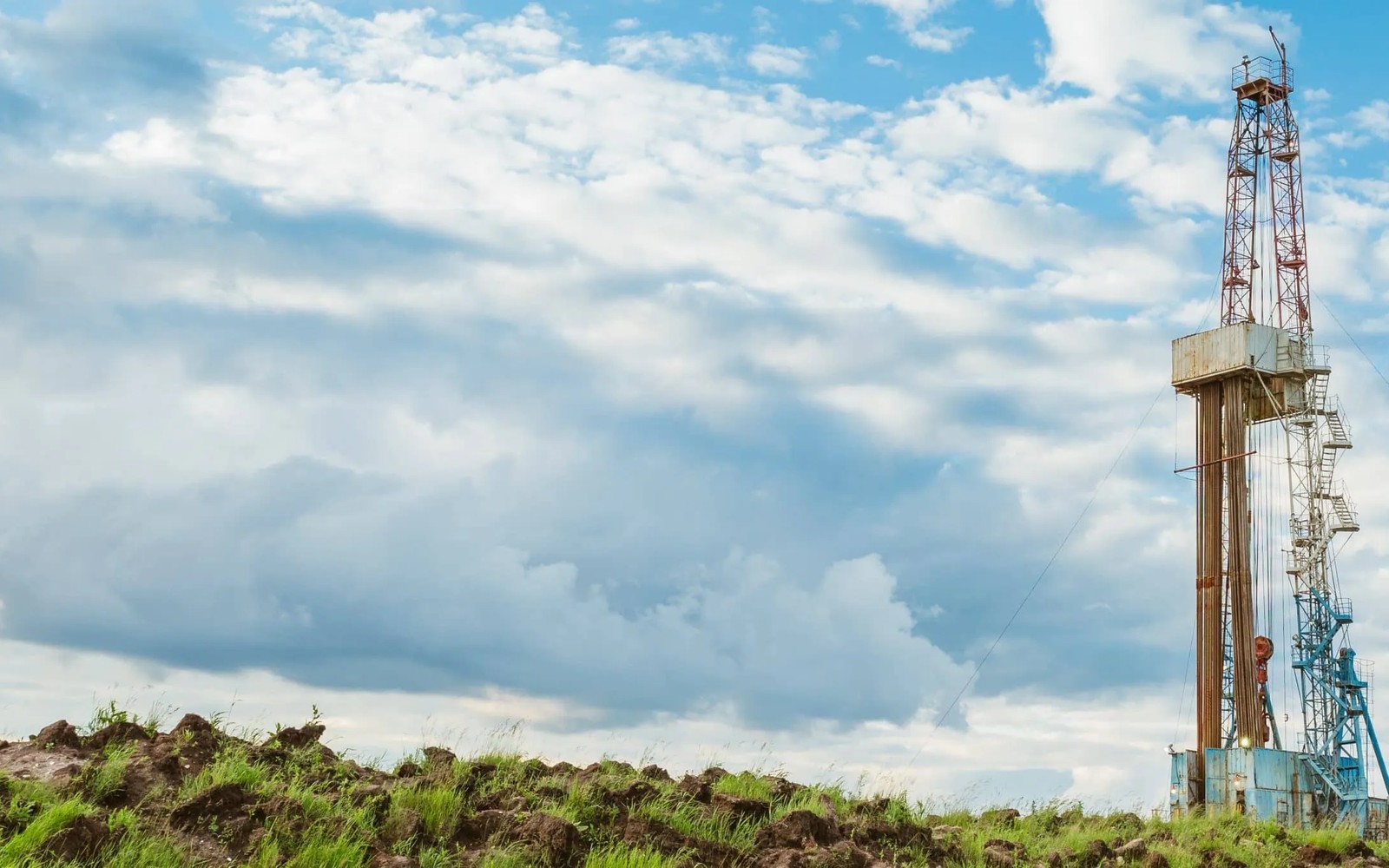
The Fayetteville Shale gave a lot of central Arkansas families their first experience with the oil and gas business, and it did it almost entirely on natural gas, not oil.
Arkansas isn't the first state most people picture when they think of shale drilling, but the Fayetteville, running through the Arkoma Basin in Conway, Van Buren, Cleburne, and White counties, was one of the notable dry-gas shale plays of the mid-2000s. Development ramped up quickly starting around 2005 and peaked within a handful of years, bringing lease bonuses and gas checks to farm families who'd never dealt with an operator before.
Because this is a straight dry-gas play, with none of the oil or condensate cushion you'd find in a play like the Eagle Ford, Fayetteville royalty owners feel natural gas price swings more directly than most. We start every Fayetteville conversation by looking at where gas prices have been relative to your check history, because that relationship tells us more here than almost anywhere else.
With no oil or significant liquids to smooth things out, a Fayetteville royalty check moves in close step with natural gas prices. When gas prices spiked in 2008 and again in 2022, Fayetteville checks spiked with them; when prices settled back down, so did the checks, often more visibly than an owner in a liquids-rich play would notice from similar commodity swings.
That direct exposure isn't a flaw in the play, it's just its nature, and it's worth understanding clearly before deciding whether to keep riding that volatility or take a lump sum instead.
Fayetteville drilling activity peaked around 2010 and has been quiet on the new-permit front for a long time since, as operators shifted attention and capital to plays with stronger economics at prevailing gas prices. Most current Fayetteville production comes from wells that are fifteen-plus years old, well into a long decline tail.
That maturity generally makes valuation more straightforward than in an actively developing basin: we're pricing a known, well-understood decline pattern rather than guessing at whether new drilling might show up next door.
The Fayetteville sits within the broader Arkoma Basin, which also has a history of coal mining in parts of Arkansas and Oklahoma. As with Alabama's Black Warrior Basin, it's worth confirming whether your family's deed history separated coal rights from oil and gas rights at some point, since older Arkansas conveyances weren't always precise about that distinction.
We check the title chain carefully on any Arkoma-area interest before making an offer, so there are no surprises about what's actually being bought and sold.
For a lot of Fayetteville owners, the decision to sell isn't about giving up on a good asset, it's about trading years of gas-price volatility for a known lump sum today. A check that swings meaningfully with each winter's cold snap or each summer's storage report can be hard to plan around, especially for owners relying on that income or managing it as part of a larger estate with multiple heirs.
We walk through your actual production history with you honestly before making an offer, so the decision to hold or sell is based on real numbers rather than a guess about where gas prices might go next.
A lot of the families we work with in this basin leased farmland that had been in the family for generations, land that was valued for timber and pasture long before anyone drilled for gas in central Arkansas. The Fayetteville boom brought bonus checks and royalty income that changed things for a while, and now, a decade and a half later, plenty of those same families are trying to figure out what's left.
We take the time to walk through your specific well's history and explain plainly what a fair offer looks like today, rather than leaning on how exciting the play once was.
New drilling has been minimal for well over a decade. Most current production comes from wells drilled during the 2005-2010 boom, now well into their decline.
The Fayetteville is a dry-gas play with essentially no oil or liquids cushion, so royalty checks move closely with natural gas prices rather than being smoothed out by other commodities.
Not necessarily. The Arkoma Basin has a coal mining history in parts of Arkansas, and coal and oil/gas rights were sometimes severed separately in older deeds. We review your actual title chain to confirm what you own.
Conway, Van Buren, Cleburne, and White counties, along with several neighboring counties in the Arkoma Basin, make up the play's core producing area.
The same tract, deed chain, lease, division order, payor account, wells, and deductions carry into each of these reviews.
Own Smackover Formation oil royalty in Arkansas or Louisiana? We buy legacy interests from one of the South's oldest producing formations, brine and all.
Own Tuscaloosa Marine Shale minerals in Louisiana or Mississippi? We buy interests in this quieter oil play honestly, no overpromising on activity.
Own Black Warrior Basin coalbed methane royalty in Alabama? We buy small, mature gas interests from Tuscaloosa and Jefferson County families.
Share the county and state, owner name, operator or payor, recent statement, deed or lease if available, and the question behind the inquiry.