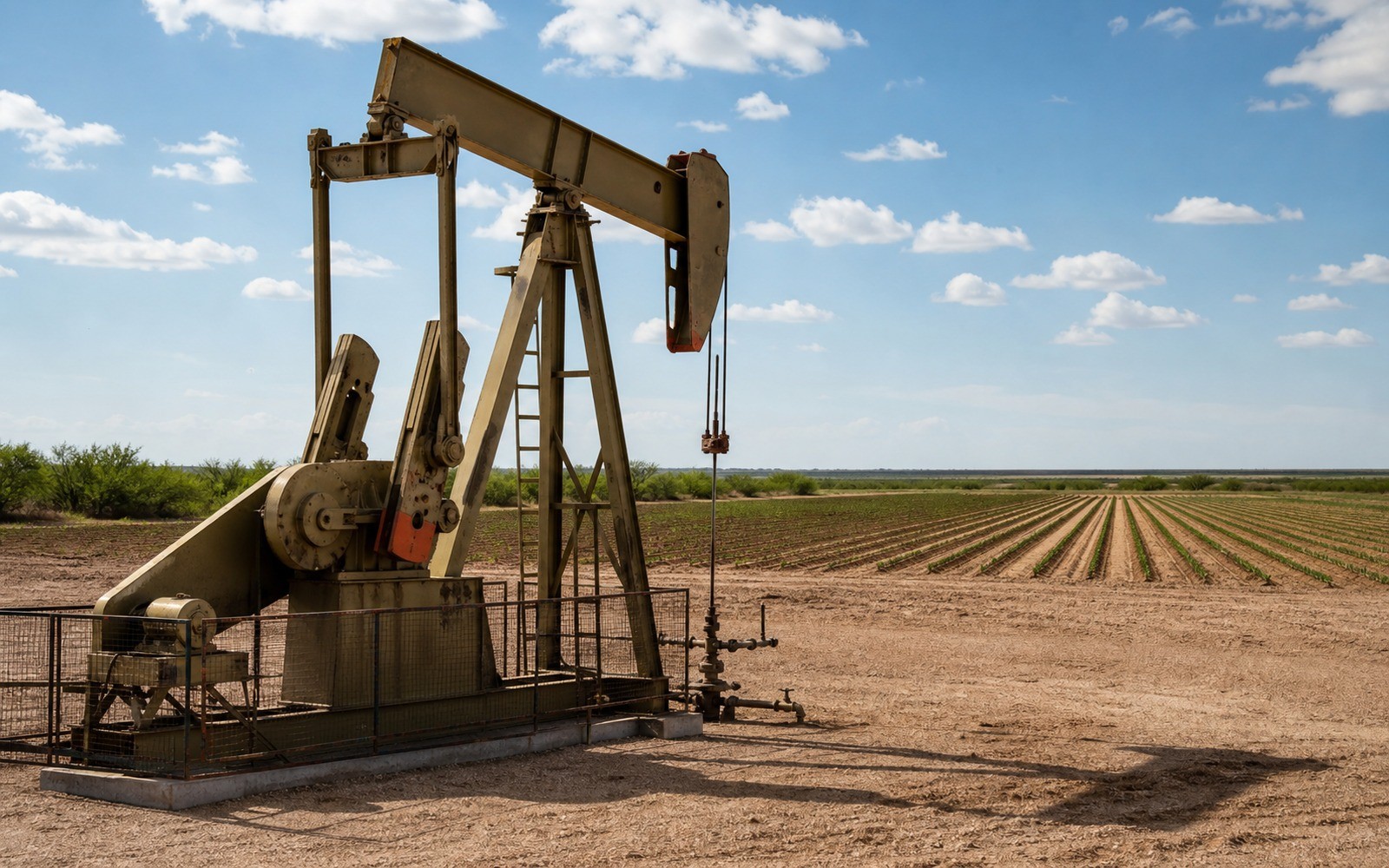
Alabama's Black Warrior Basin was one of the first places in the country where coalbed methane got proven commercial, and a lot of the families still collecting checks from it have been doing so since the 1980s.
The Black Warrior Basin, spread across Tuscaloosa, Jefferson, Fayette, and surrounding Alabama counties, made its name producing natural gas from coal seams rather than conventional sandstone or shale reservoirs. It was one of the earliest proving grounds for coalbed methane technology in the country, with serious development going back to the early 1980s. That history means a lot of Black Warrior royalty interests have been quietly paying out for close to forty years now.
Families who own minerals here often inherited them from a grandparent who leased coal and gas rights together, sometimes without fully separating the two in their own mind. We help sort that out early, because coal rights and coalbed methane gas rights aren't always the same ownership, and getting that distinction right matters before anyone talks numbers.
Coalbed methane wells produce gas that's held in coal seams by water pressure rather than trapped by an impermeable cap rock the way conventional gas is. That means these wells typically start by producing mostly water, with gas volumes ramping up over months or even years as the coal seam is dewatered. It's a slower, less dramatic production profile than an oil shale play, but it's also generally longer-lived once it gets going.
If your Black Warrior royalty has been remarkably steady for decades, that's consistent with how mature coalbed methane wells tend to behave. It doesn't mean the well will produce forever, but it does mean the decline, when it eventually comes, is usually gradual rather than sudden.
Alabama has a long coal mining history, and it's common in the Black Warrior Basin for coal rights, oil and gas rights, and surface ownership to have been split apart generations ago through separate conveyances. Your family might own the coalbed methane gas rights without owning the coal itself, or vice versa, and the deed language from decades back isn't always clear about which is which.
Before we can make a real offer, we confirm exactly what estate you hold. That title work protects you as much as it protects us, and it's a normal part of any legitimate purchase in this basin.
New coalbed methane permitting in the Black Warrior has slowed substantially since the basin's peak development years in the 1990s and early 2000s. Most current production is legacy production from wells drilled decades ago, which shapes how we think about value: this is a basin defined by slow, dependable decline rather than new upside from fresh drilling.
That's not necessarily bad news for a seller. A predictable, well-understood decline curve is often easier to value fairly than a newer play where nobody's sure yet how a well will perform five years out.
Because so much Black Warrior production is now firmly in its long decline phase, pricing a fair offer here comes down to reading the actual production trend closely, month over month, rather than leaning on rough basin-wide averages that don't reflect your specific well's condition. We pull the well's full reported history where it's available, going well beyond a recent snapshot, because a well that's declined smoothly for fifteen years tells a very different story than one that's had a recent operator change or workover.
We also ask whether the operator has done any recompletion or additional development on nearby acreage, since that can occasionally extend a legacy well's life further than a pure decline-curve projection would suggest on its own.
It depends on your specific deed history. Coal, coalbed methane gas, and surface rights were often severed separately in this basin generations ago, so we review the actual conveyance chain rather than assuming based on what a relative told you.
Coalbed methane wells typically dewater a coal seam before gas volumes ramp up meaningfully, which can take months to years. That slow start is normal for this type of production, not a sign of a problem.
New permitting has slowed considerably since the basin's peak years in the 1990s and early 2000s. Most current production comes from legacy wells rather than new development.
Many wells in this basin have produced for decades once past the initial dewatering phase, with gradual rather than sharp decline. Individual well life varies with coal seam quality and depth.
Once title work confirming your ownership is complete, most sales in this basin close within a few weeks. Older, more layered ownership histories can take longer to fully document.
The same tract, deed chain, lease, division order, payor account, wells, and deductions carry into each of these reviews.
Own Antrim Shale gas royalty in northern Michigan? We buy small, steady interests from families who'd rather have cash than track a shallow gas check.
Own Permian Basin mineral rights anywhere in West Texas or southeast New Mexico? We buy family royalty interests across the whole basin, no pressure.
Own Midland Basin minerals in Midland, Martin, Howard, or Glasscock County? We buy Permian royalty interests, multi-bench and all, no pressure.
Share the county and state, owner name, operator or payor, recent statement, deed or lease if available, and the question behind the inquiry.