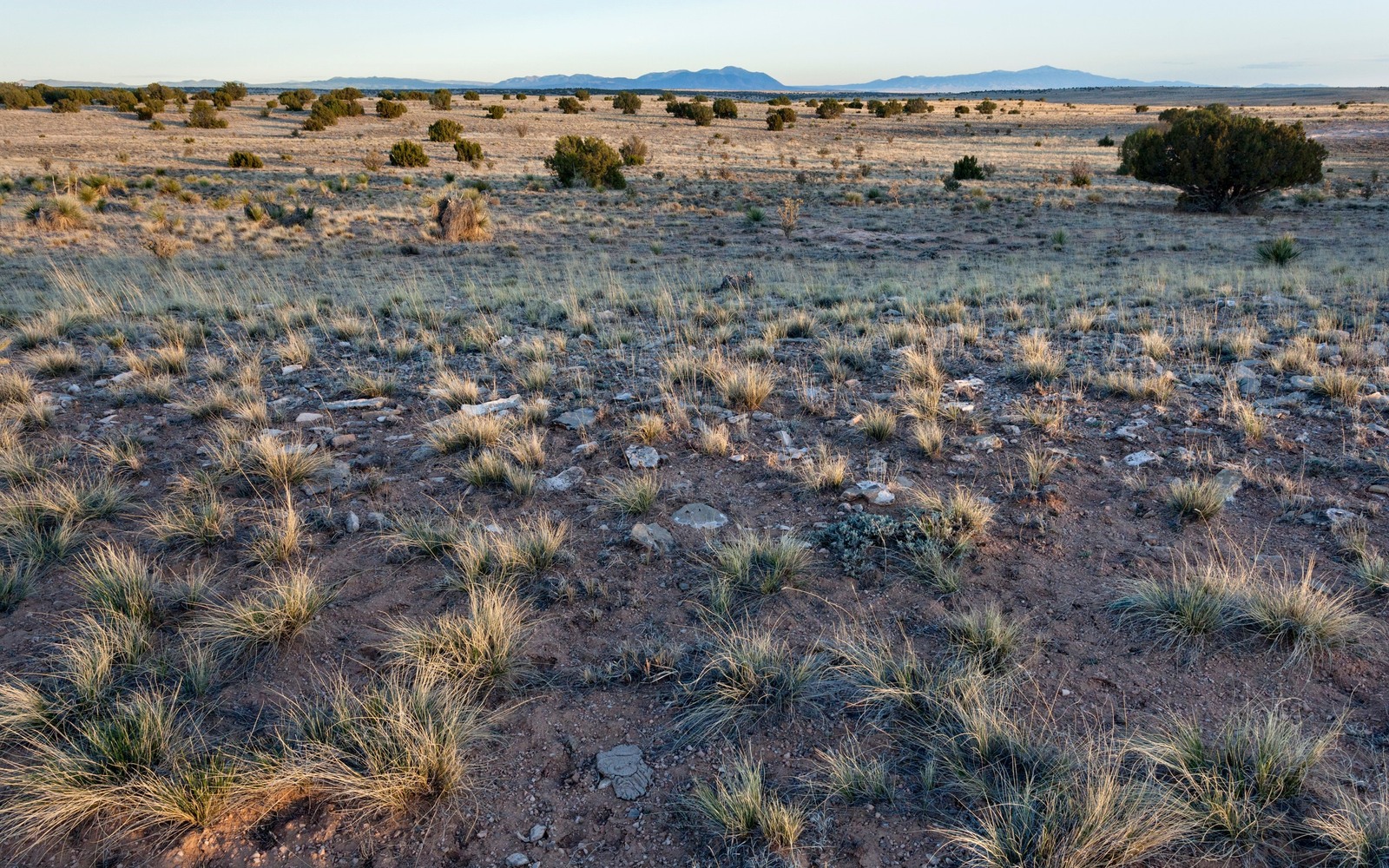
New Mexico mineral owners are really two different groups depending on which end of the state their acreage sits in, and the offer you should expect looks nothing alike between them.
We grew up around ranch land, and one thing that never made sense to us until we lived it is how two mineral interests in the same state can be worlds apart in value. Own something in Lea or Eddy County, on the New Mexico side of the Delaware basin, and you're sitting in one of the most active drilling areas in the country. Own something up in the San Juan basin, and you're looking at a mature gas field with a completely different production story.
We buy both kinds, along with everything in between. If you're not sure which category your interest falls into or what that means for value, that's exactly the kind of question we're used to answering before any offer gets made.
The New Mexico side of the Permian's Delaware sub-basin has been one of the most heavily drilled areas in the country for years now, with operators running multi-well pads and stacked lateral development across Lea and Eddy County. If your minerals or royalty sit in this footprint, you likely have real, recent activity to point to, whether that's an active permit, a nearby rig, or checks already coming in from a producing well.
The pace of development here also means values can shift quickly. A tract that was quiet eighteen months ago might now have three wells producing on offset acreage, so if you haven't had your interest looked at recently, it's worth revisiting even if you were told something different a year or two back.
Up in the northwest corner of the state, the San Juan basin is one of the older producing gas fields in the country, with wells that have been on decline for years and, in many cases, decades. That's not a bad thing for valuation, it just means we price it differently. A long, shallow decline curve with a stable production history is a known quantity, and we look at your actual royalty statements to understand where that well sits in its life rather than guessing.
Some San Juan basin interests also carry coalbed methane history alongside conventional gas production, which adds another layer we account for when reviewing your division order and check stubs.
New Mexico has its own recording conventions and, particularly in the older San Juan basin counties, title that can trace back through decades of assignments and unit agreements. We do that legwork ourselves at the county clerk's office and through state records rather than asking you to reconstruct it. If your interest touches state or federal trust land, which is common in parts of the state, we'll walk you through what that means for how a sale gets processed.
We regularly talk with families who hold a Delaware basin interest from one branch of the family and a San Juan basin interest from another, often the result of generations of marriages, moves, and land splits. We're glad to evaluate both together, explain why the offers look different, and let you decide whether to sell one, the other, or both.
It depends entirely on your specific tract, but Delaware basin acreage tends to reflect current drilling activity while San Juan basin interests are typically valued on established, longer production history. Neither is automatically worth more without looking at the details.
Yes, though the process involves an extra layer of review since state and federal trust land carries its own leasing rules. We handle that as part of our due diligence.
Given how fast Delaware basin activity moves, we check current permit and production data at the time of your offer rather than relying on older figures, so your number reflects what's happening right now.
Often yes. Even a gas well far into its decline still produces a predictable, valuable income stream, and we price that based on the actual statements rather than assuming an older well has little left. San Juan basin wells in particular can hold a stable, modest volume for many more years once they reach that mature stage.
Yes, we buy mineral interests, royalty interests, and non-participating royalty interests across both basins.
Severance and ad valorem taxes are already deducted before your royalty is calculated, so what shows up on your check reflects those costs. We review your statements with that already accounted for rather than pricing off a gross, pre-tax figure.
It can. Older leases sometimes carry different royalty rates or held-by-production language than a modern lease, so we look at the actual document alongside current production before pricing your interest.
The same tract, deed chain, lease, division order, payor account, wells, and deductions carry into each of these reviews.
Bakken or Three Forks royalty owner in North Dakota? Get a straightforward cash offer, decline curve and all, from a family that's sold minerals themselves.
Marcellus shale royalty owner in Pennsylvania? Get a plain-language cash offer that accounts for gas pricing and post-production deducts, from a family who's sold too.
Marcellus or Utica mineral owner in West Virginia? We untangle century-old severed estates and split heirs before making a fair cash offer.
Share the county and state, owner name, operator or payor, recent statement, deed or lease if available, and the question behind the inquiry.