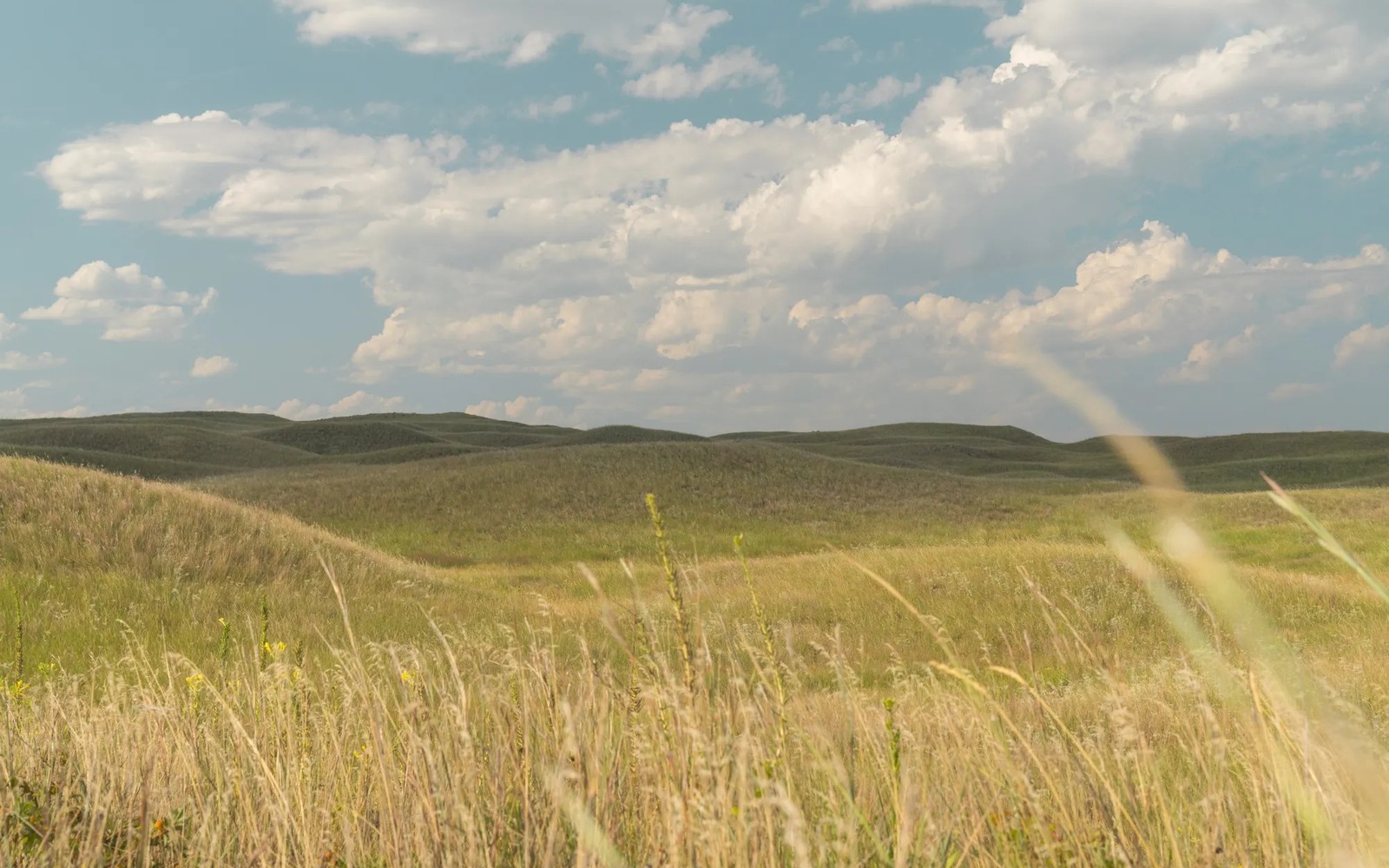
If you own minerals in Nebraska, chances are you've spent more time explaining what you have to people than actually getting an answer about what it's worth.
We're a family that sold our own minerals years back, and one thing we learned quickly is that owning minerals in a state most people don't associate with oil and gas makes everything harder. Nebraska doesn't come up in the same conversations as Texas or North Dakota, but the panhandle counties along the Colorado and Wyoming lines sit right on the edge of the Denver-Julesburg basin and the Niobrara formation, and interests there have real value even if activity has been quiet for a stretch.
Whether your minerals came from a family homestead, an inheritance nobody's fully sorted out, or a lease your parents signed decades ago that's sat dormant since, we'll take a real look at it. You won't get a form letter with a lowball number attached. You'll get someone who actually looked at your county.
Banner, Kimball, and Cheyenne counties sit on the eastern edge of the DJ basin, which stretches across into Colorado and Wyoming where most of the Niobrara drilling has historically happened. Nebraska's side of that edge has seen far less activity, and what has happened tends to run in short bursts tied to commodity prices rather than a steady development program. That makes valuing an interest here less about pointing to a nearby well and more about understanding regional trends and what operators have actually filed for in the area.
Because the state doesn't see much drilling news, a lot of owners assume their minerals are essentially worthless. That's not always true. Undeveloped minerals in a play's flank counties still carry option value, since operators periodically test the edges of a basin when core acreage gets crowded, and pricing should reflect that possibility rather than assume it's zero.
When there's little or no recent activity, we look at what's happening just across the state line, how operators have historically treated the edge of the Niobrara play, and any permit or lease activity on record for your specific township. We're honest that a non-producing tract in a quiet county will price lower than a producing interest in an active basin, but we don't price it at zero just because there's no well nearby right now.
If you do have a producing interest, even an older well with modest volumes, that changes the conversation. A real production history, however small, gives us something concrete to work from instead of general regional trends.
A lot of the mineral ownership we see in Nebraska traces back to homestead-era land patents, where the family kept the minerals when the surface was sold, or split evenly among children generations ago. That means many owners today hold a small fractional share, sometimes an eighth or a sixteenth, in a section they've never seen. Tracking down the rest of the family, agreeing on what to do, and getting everyone's paperwork together is often more work than the interest itself feels worth.
We can buy your specific fractional share directly without needing every co-owner to participate. If your siblings or cousins want to sell too, we're glad to make offers on their shares as well, but it's never a requirement.
We start by asking a few questions about the county, the legal description if you have it, and whether the interest is producing or not. From there we check the county records ourselves rather than asking you to dig up paperwork you may not have. You'll get a plain offer with the reasoning behind it, and you can take as long as you need to decide.
It can be, depending on how close you are to active DJ basin or Niobrara acreage and what operators have leased or permitted recently in your area. We look at regional trends rather than assuming no nearby well means no value.
Yes, we regularly buy fractional interests like these, and you don't need the rest of your family to sell alongside you.
We pull county records directly, check surrounding lease and permit activity, and look at how the basin has developed across the state line, rather than relying only on what's publicly discussed about Nebraska specifically.
It's not required, though for larger or more complicated interests, some owners like to have their attorney review the deed before signing. We're happy to work alongside your advisor if you have one.
Once title is confirmed at the county courthouse, most Nebraska closings move quickly, often within a couple of weeks, though older or more complex title can take longer.
The same tract, deed chain, lease, division order, payor account, wells, and deductions carry into each of these reviews.
Antrim shale royalty check gotten smaller every year? That's normal for Michigan's legacy gas play. We buy Michigan mineral interests. Free offer.
Own stripper well or legacy Illinois basin royalty passed down for generations? We buy small Illinois oil and gas interests other buyers skip. Free offer.
Small Forest City basin royalty in Missouri that most buyers ignore? We buy modest, non-operated Missouri mineral interests other companies pass on.
Share the county and state, owner name, operator or payor, recent statement, deed or lease if available, and the question behind the inquiry.